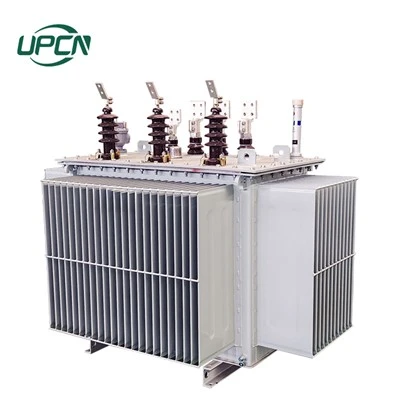
Hey everyone, this is Jake from your go-to power transformer supplier – and let’s be real, if you work with oil-immersed transformers, you know the oil isn’t just “there to look pretty.” It’s the unsung hero that keeps everything cool, insulates high-voltage parts, and actually lets your equipment run for decades. Skip checking it, and you’re playing a slow game of tech roulette that could leave you with downtime, repair bills, or even a total unit failure. That’s why today, I’m breaking down exactly how we test transformer oil (the same tests we do on every unit that leaves our warehouse) so you can do it right, no fancy lab degree required. I’m talking real, hands-on stuff, not textbook jargon that makes your eyes glaze over. Power Transformer

First, let’s get one thing straight: testing this oil isn’t a one-and-done chore. It should be part of your regular maintenance routine, not something you only do when a weird noise starts. We recommend testing new oil (that’s in a brand-new transformer right out of the box), oil after installation, and then annually for units running nonstop. For units in harsh conditions – think dusty factories, coastal areas with salt air, or super hot industrial sites – bump that up to every 6 months. Trust me, we’ve had customers skip this and end up with a transformer that died mid-pandemic, costing them $10k+ in downtime alone. We don’t want that for you.
Alright, let’s dive into the actual tests. I’ll split this into two parts: quick, on-site tests you can do with basic gear, and the more detailed lab tests you’ll need to send samples for (pro tip: if you’re buying a unit from us, we help coordinate that lab work for free sometimes – just ask our reps).
First up, on-site tests. These are the ones you can knock out in 10 minutes before you even take a sample to a lab. Let’s start with visual inspection. This is so simple, but so many people skip it. Grab a clear, dry glass jar – no plastic, because it can leach chemicals – and draw a small sample directly from the transformer’s drain valve (make sure you flush the valve first with a little oil to get rid of any old gunk that’s sitting there). Hold it up to a bright light. What are you looking for?
- If it’s clear, light yellow, or amber? That’s good.
- If it’s dark brown, murky, or has a weird sludge at the bottom? Red flag. That means it’s old, contaminated, or breaking down.
- If you see tiny bubbles or a cloudy haze? That’s water or air in the oil, which kills insulation.
I once had a customer send us a pic of their oil that looked like chocolate syrup – turns out they’d been running a transformer for 5 years without checking, and the sludge was so bad it clogged the cooling fins. We ended up reconditioning the oil for them, but they could’ve avoided that if they’d just done the visual check.
Next on the on-site list: testing dielectric strength. I know, that sounds technical, but it’s basically testing how well the oil can stop electricity from jumping where it shouldn’t. Bad dielectric strength means arcing, which is the #1 cause of transformer failures. Most small businesses can get a portable dielectric tester for under $500, and it’s super easy to use. Follow the instructions: put the sample oil in the tester’s cell, hit start, and it’ll measure the voltage at which electricity arcs across the two electrodes. The sweet spot for good oil is 30 kV or higher. If it’s below 25 kV? Time to either filter the oil or replace it. We test every unit we sell before shipping, so we guarantee our oil hits at least 35 kV – that’s our baseline.
Another quick on-site check: moisture content. Wait, but earlier I said bubbles mean water, right? Moisture is a little different – it’s dissolved in the oil, so you can’t see it. A lot of cheap moisture meters (the kind they sell for car batteries) work for this, but make sure it’s rated for transformer oil. The max safe level we recommend is 30 parts per million (ppm) for new oil. If it’s over 50 ppm, that’s when you start having issues with insulation breakdown. Coastal areas are the worst for this because salt air pulls moisture out of the humidity like crazy, so we always suggest testing moisture more often if your site’s near the ocean.
Okay, now for the lab tests – these are the ones that catch the stuff you can’t see, and they’re non-negotiable for long-term care. We send every transformer we install to a reputable lab because they catch early signs of trouble way before on-site tests do. Let’s break down the key ones:
First, dissolved gas analysis (DGA). This is the big one, and I swear by it. Here’s how it works: the lab heats the oil to pull out any gases that are dissolved in it, then measures what kind they are and how much. Different gases mean different problems:
- If you have acetylene? That’s usually arcing – a big, dangerous electrical fault. Act fast.
- Methane or ethane? That’s overheating, probably from loose connections or clogged cooling.
- Carbon monoxide or carbon dioxide? That’s the oil breaking down from old age or high heat.
I had a customer last year who did a DGA on their unit and found a tiny bit of methane – nothing that would’ve showed up on a visual check. They shut down the transformer that weekend, tightened a loose connection, and avoided a catastrophic failure. If they’d kept running it like normal, they would’ve had to replace the whole transformer for $50k instead of a $10 repair. DGA is worth every penny, even if it’s a little more expensive.
Next, acidity test. Over time, transformer oil breaks down from heat and oxygen, and that creates acids. High acidity is bad because it eats away at the transformer’s paper insulation (yeah, transformers have paper insulation around the wires – who knew, right?). The lab measures the acid number in milligrams of potassium hydroxide per gram of oil (mg KOH/g). The limit we go by is 0.1 mg KOH/g – anything over that means the oil is starting to turn corrosive. If it’s over 0.2, you need to filter or change the oil. Our manufacturing process includes a de-acidification step, so new oil from us has an acidity way below 0.05, which is why our transformers last so long.
Then there’s flash point test. This is exactly what it sounds like: measuring the temperature at which the oil will catch fire. Transformer oil is flammable, but if the flash point drops too low, that means the oil is contaminated with lighter, more flammable stuff (like fuel from a leaky generator or other nearby equipment). The minimum safe flash point for mineral oil (the most common type we use) is 140°C. If it’s below that, you’ve got a contamination problem that needs fixing right away – no exceptions. A few years back, we had a customer with a transformer next to a backup generator that was leaking fuel into the air. The flash point dropped to 125°C, and if they’d kept running it, a tiny spark could’ve blown up the whole substation. We helped them flush the oil and fix the generator leak, and they’ve been good ever since.
Wait, let’s talk about sample collection too – this is the part that messes up test results more than anything else, so I’m gonna repeat this until you remember: if you take a bad sample, the test is useless. Don’t just stick the jar on the drain valve and yank the oil out. First, turn on the unit (if it’s running) for at least 30 minutes – that warms up the oil and makes any contaminants or gases mix evenly, so you get a true reading. Then, flush the drain valve with 2-3 liters of oil first – that gets rid of the oil that’s been sitting stagnant in the valve, which isn’t representative of the whole unit. When you fill the sample jar, leave a little air space at the top (about 10% of the jar’s volume) – don’t fill it all the way, because that can mess with moisture and gas tests. Label the jar clearly with your unit’s serial number and the date, and get it to the lab within 24 hours. We provide free sample kits with every transformer we sell, so you don’t have to buy jars or labels – just ask when you place your order.
Now, let’s get to what to do if your tests come back bad. Don’t panic – not every failed test means you need a whole new transformer. We’ve done oil reconditioning for tons of customers, where we filter out the water, sludge, and contaminants, and even add a few additives to bring the oil back to like-new condition. That’s way cheaper than replacing the unit, especially if your transformer is only a few years old. We also sell reconditioned oil if you just need a top-up, and our service team can come out to your site to do the work, so you don’t have to move the heavy unit. If the oil is really bad, though – like it’s got major arcing gases or super high acidity – then you probably do need to replace it, and that’s where our new transformers come in. We make units with sealed tanks that cut down on moisture and oxygen getting in, so your oil stays cleaner longer, which means less testing and less maintenance for you.
Let me wrap this up with a few quick tips I’ve picked up over 8 years in this business (yeah, I’ve seen it all):
- Don’t wait for a problem to test – do it on a schedule. Set a reminder on your phone every 6 months, even if everything seems fine.
- Keep a test log. Write down every date, result, and what you did. That way, you can spot trends – if your acidity has been going up every year, you know it’s time to recondition the oil before it gets bad.
- If you’re not sure about a test result, call us. Our tech guys are on call 24/7, and we’re always happy to walk you through it. No charge, no sales pitch, just real advice.
Look, I know testing oil can feel like another thing to add to your to-do list, but it’s the difference between spending a few hundred bucks on tests and avoiding a $100k transformer replacement. We built our business on making transformers that last, and part of that is helping our customers keep those transformers running strong. Whether you need a new unit, oil reconditioning, or just help interpreting a test result, we’re here for you. Next time you’re ready to replace or upgrade your transformer, hit us up – we’ll give you a transparent quote, no hidden fees, and we’ll even help you set up a maintenance testing schedule tailored to your site.
Power Transformer References:
- American Society for Testing and Materials (ASTM) D3487, Standard Specification for Mineral Insulating Oil Used in Electrical Apparatus
- Institute of Electrical and Electronics Engineers (IEEE) C57.106, Guide for Acid Number Determination of Insulating Oils
- International Electrotechnical Commission (IEC) 60422, Mineral Insulating Oils – Guidance on the Management and Maintenance of Mineral Insulating Oil in Electrical Equipment
Henan Union Power Construction Group Co., Ltd.
As one of the most professional power transformer manufacturers and suppliers in China, we have world-leading production equipment and strong manufacturing capabilities. Please rest assured to buy customized power transformer at competitive price from our factory.
Address: 701, Unit 1, Building 23, Phase II, Jindai Smart Industry Park, No. 17 Wenzhi Road,Guancheng Hui District, Zhengzhou City, Henan Province, P. R. China
E-mail: unionpower66@gmail.com
WebSite: https://www.unionpowertransformer.com/
