Hey everyone, it’s Alex over at Firing Pottery—thanks for dropping by my little corner of the web. I get this question ALL the time: “Can you fire polymer clay with pottery?” And honestly, I’ve had new potters, jewelry makers, and even craft fair vendors hit me up with this, usually when they’re trying to save time or mix supplies they already have lying around. Let me break this down like I would with a customer who walks through my shop door, no stuffy textbook jargon, just real talk and actual science behind what happens when you heat those two things together. Firing Pottery
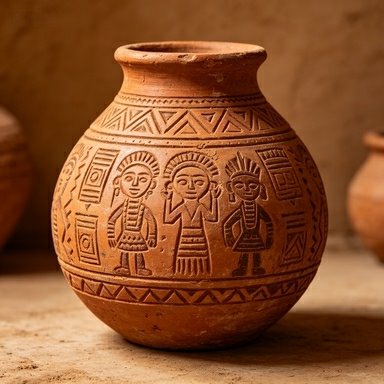
First off, let’s get what we’re even talking about straight. Polymer clay is that stuff like Fimo, Sculpey, Cernit—you know, the air-dry no, wait, no, it needs baking, right? It’s that pliable plastic-based clay you bake in a regular oven to harden it. Pottery clay is the natural stuff—ball clay, stoneware, earthenware—that you fire in a kiln at way hotter temps to turn it into that permanent, ceramic stuff you can use for mugs, planters, all that. So you’re talking two totally different materials that get heated for totally different reasons, but can they share the same firing? Short answer: Mostly no, but let’s not end it there because I’ve seen people try, and I’ve even messed up a few times myself when I first started selling kiln supplies.
Let’s start with the heat differences because that’s the big one that trips everyone up. Polymer clay cures (that’s what it’s called, not fires) at around 230 to 275 degrees F, right? Like, if you crank your oven to 250, bake your Sculpey for 15 minutes per quarter inch of thickness, that’s it. Pottery clay? You can’t turn a kiln up high enough fast enough for polymer, but even if you did, pottery needs way more heat. Earthenware starts at like 1800 degrees F, stoneware goes up to 2300+, porcelain even higher. If you throw a piece of polymer clay into a kiln set for pottery, two things will happen: either it’ll turn into a sticky, black, stinky mess before the pottery even gets up to temp, or if you turn the kiln way down to match polymer’s cure temp, the pottery will be soft, never harden, and just crumble the second you touch it. I’ve had a customer bring in a lopsided mug she tried to fire with her kid’s polymer clay figurine—both ruined, because she didn’t realize the temps don’t line up.
But wait, what if you try to fire them at the same time but separate? Like, put your polymer clay piece on a tile in the kiln while your pottery is firing? Still a no-go, and here’s why it’s not just about hardness. Polymer clay is made with polyvinyl chloride (PVC) and plasticizers, right? When you heat that above 300 degrees F, it releases toxic fumes—chlorine gas, mostly. That stuff isn’t just bad for your lungs; it can eat through the elements in your kiln, and if you’re firing food-safe pottery, that’s a huge health risk. I learned this the hard way when a newbie potter I was helping tried to fire a keychain with her first stoneware vase—she had no idea the fumes would coat the vase, and when she made coffee in it, she tasted that weird chemical aftertaste. We ended up having to strip the glaze and refire the vase, cost her time and money. That’s why I always tell people: if it’s pottery that touches food, zero chance of mixing with polymer. Even decorative pottery? Those fumes will stick to the kiln walls, and if you fire anything else in it later, you’re bringing that chemical residue back into your pieces.
Now, let’s talk about exceptions because nothing in craft is 100% black and white. I know some people do “low-fire” pottery that cures at, like, 1600 degrees F—way lower than regular stoneware. Can you fire polymer in that? No, not really, because even at 1600, that’s way hotter than polymer’s max safe temp. Wait, what if you cool the kiln really fast? Nope, polymer will still break down at temps over 300, no matter how fast you cool it. There’s a thing called “polymer clay for high temp” but even those cure at like 300 max, and way before you get to pottery temps. Oh, and some people mix a tiny bit of polymer with pottery clay for decorative accents? That’s a bad idea too—polymer doesn’t shrink the same way pottery does, so when you fire it, the two will separate, crack, or blow apart. I’ve seen a wall hanging a customer brought in that did exactly that, all bubbly and cracked from the different shrink rates.
Here’s the thing I tell all my customers when they ask this: if you’re just starting out, it’s easy to want to cut corners, but the right tool for the job saves you time, money, and ruined projects. I’ve seen so many people buy cheap polymer clay and a $50 oven, ruin 10 mugs before they realize they shouldn’t mix it with pottery kilns. As someone who sells kilns, kiln elements, firing supplies—all that stuff—I get it, you want to make your process easier. But here’s the real science I’ve picked up over the years: when you fire pottery, you’re causing a vitrification process. That’s when the clay particles melt just enough to bind together, making it hard, waterproof, permanent. Polymer clay is a curing process, where the plastic molecules cross-link to harden—totally different chemical reactions, so you can’t make them happen at the same time.
Wait, let’s address the question that’s probably next: can you use a polymer clay oven for pottery? No, same problem, but let’s be honest—most home ovens can’t get hot enough for even earthenware. A regular oven maxes out at like 500 degrees F, which is way too low for stoneware, maybe just hot enough for some low-fire earthenware, but even then, you can’t regulate the temp enough. Ovens have hot spots, you can’t hold a consistent temp for hours, which is what pottery firing needs. I had a customer a while back who tried to fire a bowl in her kitchen oven, set it for 450, and it never hardened because the temp dropped when the oven turned off. That’s why people invest in kilns, which hold a steady temp, ramp up slow, stay at temp for as long as you need.
Now, what if you want to make pieces that have both polymer and pottery? That’s totally doable, you just fire them separately. Fire your pottery first, glaze it, fire it again to get it hard and glossy. Then, once it’s cool, glue your polymer clay piece to it with a strong adhesive—epoxy, right? I recommend 5-minute epoxy for small pieces, or a strong craft adhesive for bigger stuff. I’ve had customers make planters with polymer clay accents, mugs with custom handles made of polymer, even jewelry with pottery beads—all after firing each part separately. That way, you get the best of both: the durability of pottery for functional pieces, the flexibility and bright colors of polymer for accents.
Let me throw in a quick story to make this real. Last year, a woman came into my shop, super upset, holding a broken mug and a melted polymer clay figurine. She’d tried to fire both in her home kiln, thinking it’d save time, and the kiln elements got corroded from the fumes, so she had to replace them. That’s a $200 mistake, just because she didn’t know the basics. I gave her a deal on new elements, and walked her through how to make the same project the right way: fire the mug first, glue the figurine on after. She ended up making a custom mother’s day gift for her mom, and came back a few months later to buy a bigger kiln for more projects. That’s why I love teaching people this stuff—no one wants to waste their money or their time on bad projects.
Now, let’s clear up a common misconception: some people call curing polymer clay “firing,” which is where a lot of the confusion comes from. If you look up old craft articles, you might see someone say “fire your polymer clay,” but that’s just casual wording. Firing is specifically the high-heat process for ceramics that creates vitrification. Curing is what happens with polymer. So when people ask “can you fire polymer clay with pottery,” they’re mixing up two completely different terms, and that’s why the answer is no—you can’t do both firing (for pottery) and curing (for polymer) in the same kiln, at the same time, because the temps and chemical reactions don’t match.
What if you use a kiln made specifically for polymer? Yeah, those exist—they’re small, portable, low-temp kilns just for polymer clay and small projects. But even then, you wouldn’t use them for pottery. I sell those too, along with full-size kilns for pottery, because different tools for different jobs. That’s the key here: as a supplier, I don’t try to upsell you on a bigger kiln if a small polymer kiln is what you need, but I also make sure you know you can’t use a pottery kiln for polymer, or vice versa. It’s not about the product, it’s about matching the tool to the material.
Let’s talk about the risks if you do try this, too. We mentioned toxic fumes, but also, your pottery will not be functional. If you fire pottery at a temperature too low, it’s porous—water will seep through, it’ll break easy, and it can even leach chemicals. I’ve had customers ask why their mugs feel “squishy” after their first bad firing, and 9 times out of 10, they tried to fire it too low to include a polymer piece. That’s not just a broken project, that’s a mug you can’t use for coffee or tea. No one wants that.
Another thing: shrinkage. Pottery clay shrinks a lot when it fires—like 8-15% depending on the type. Polymer clay shrinks almost nothing when it cures. So if you put them together, one will shrink and the other won’t, leading to cracking, warping, or pieces that don’t fit right. I saw a guy once make a set of coasters, with polymer clay inlays, and after firing, the inlays were popping out because the clay shrunk around them. If he’d fired the coasters first, glued the inlays on after, that wouldn’t have happened. It’s a simple fix, but it starts with knowing the properties of each material.
So here’s the quick recap for anyone skimming: 1) Polymer clay cures at ~230-275°F, pottery fires at 1600°F+, so temps don’t line up. 2) Polymer releases toxic fumes above 300°F that damage kilns and make pottery unsafe for food. 3) Shrinkage and chemical reactions are totally different, so mixing them in firing leads to ruined pieces. 4) The safe way to combine them is fire pottery first, add polymer accents after.
Now, if you’re a potter looking for the right kiln to get your pottery fired properly, or you’re a craftsperson needing supplies for both pottery and polymer projects, I’m here to help. I’ve been in this game long enough to know that every project is different, and I can help you pick the right tools, explain the temps, and make sure you don’t make the same mistakes I (and my customers) have made over the years. If you have questions, want advice on kiln sizes, firing schedules, or even how to combine polymer and pottery the right way, hit me up to chat. I’m always happy to walk through your project with you, no pressure, just real info that works.

At the end of the day, this isn’t just about “can you” or “can’t you” – it’s about doing it right, so you get projects you’re proud of, and don’t waste time or money. I’ve built my business on that: being the guy who tells you the straight answer, not the one who sells you something that’s not going to work for your needs. So if you’re ready to pick up supplies, get a kiln, or just pick my brain about any part of this, don’t hesitate to reach out.
Household Kiln References:
- Standards for Ceramic Ware and Kiln Safety, American Ceramic Society
- Polymer Clay Curing and Fume Emission Data, Craft Materials Research Journal
- Pottery Firing Temperature Guidelines, National Council for Education in Ceramic Arts
Suixian Yaxin Porcelain Art Business Department (Individual Business)
With abundant experience, we are one of the most professional firing pottery manufacturers in China. Please feel free to buy top-quality firing pottery at competitive price from our factory. Welcome to contact us for pricelist and free sample.
Address: Yaxin Ciyu Ceramics Factory, Wenzhuang Village Committee, Hutang Township, Sui County, Shangqiu City, Henan Province
E-mail: 3602611251@qq.com
WebSite: https://www.xiangyiguyao.com/
