Hey everyone, Vacuum Travel Mug
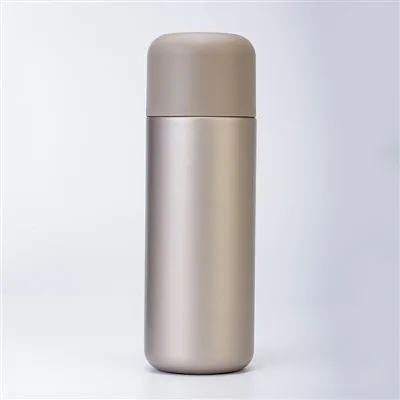
If you’ve ever hauled your vacuum travel mug to work, gym, or a road trip only to find it leaked all over your laptop bag or car cupholder, you know the frustration. I’m someone who’s been making and selling these mugs for years—so trust me, I’ve seen every leak scenario you can imagine. A lot of folks ask me why their favorite mug suddenly started leaking, or why the one they bought keeps seeping no matter what. Today, I’m breaking this down like I would for a new customer, no fancy jargon, just real talk about what actually works, and what you might be doing wrong without even realizing it.
First, let’s get one thing straight: vacuum travel mugs aren’t just thermos cups. The “vacuum” part is that empty space between the inner and outer walls that keeps your coffee hot and your iced tea cold. But that design only works if every other part is tight—especially the lid. Most leaks don’t come from the body of the mug itself, weirdly enough. They come from little gaps in how you use or maintain the lid, or even how you close it. Let’s start with the most common mistake I see all the time: not sealing the lid correctly. I can’t tell you how many people twist the lid until it “clicks” once, and then wonder why it leaks an hour later. Here’s the thing: our mugs (and most good ones) have two separate seals. There’s the silicone gasket that goes around the rim of the mug opening, and then there’s the inner flip-top or slider on the lid. A lot of folks forget the inner seal is there. When you’re closing it, you should push that slider all the way closed (if it’s a flip-top, press it down until you hear that second soft click, not just the main lid twist). Last month, a customer brought back a mug that was leaking on her commute—turns out she only twisted the main lid half a turn, so the silicone gasket never made full contact. That’s an easy fix, right?
Next up: damaged or dirty gaskets. This is probably the number one cause of long-term leaks. The silicone gaskets are soft, they get worn down over time, or they catch tiny bits of coffee grounds, tea leaves, or even milk residue that make them not seal right. I always tell my customers to take the gasket out once a week and clean it separately—most people just run the whole mug under hot water, which doesn’t get gunk caught in those tiny crevices. How to do it? Twist the gasket gently off the inside of the lid (it’s not glued, don’t force it), wash it with warm soapy water, rinse it really well, and then pop it back on. If it’s cracked, stretched out, or has little tears? Replace it. A new gasket is way cheaper than replacing your whole mug, and it fixes 80% of the leaks I see. I keep spare gaskets on hand for all my regulars, and it’s such a simple thing to check.
Wait, what about overfilling the mug? I’ve had so many people say “my mug leaked when I filled it all the way” and I get it—you want every last drop of your morning coffee. But vacuum mugs work with air pressure too. When you fill it to the tippy top, there’s no room for that pressure to expand, especially if it’s hot. If you seal the lid, the pressure builds, and it will push out through the tiniest gap—like a half-closed slider or a slightly worn gasket. Rule of thumb: leave about a half-inch of space at the top of the mug. If you’re bringing cold drinks, it’s less of a big deal, but for hot stuff? That extra space prevents pressure build-up. I learned this the hard way on a ski trip a few years ago— I filled my mug to the brim with hot cocoa, zipped it up in my jacket pocket, and ended up with cocoa all over my new snow pants. Never again.
Another thing: don’t use the wrong lid for your mug. I know it’s tempting to grab a random lid from another mug you have lying around, but every vacuum travel mug is made to fit a specific lid size and gasket. If you use a lid that’s just a hair too big or too small, it won’t seal properly. I once had a customer who swapped the lid on our 16oz mug with a lid from a 20oz one, and wondered why it leaked everywhere. It’s not that the mug was bad—it was a wrong fit. If you lose your lid, make sure you get the exact replacement for your model, not a generic one. Generic lids are cheap for a reason, and they almost never line up right.
What about temperature extremes? That’s another big one people don’t think about. If you pour boiling hot water into a cold mug, or iced water into a mug that’s been sitting in your car in the sun all day, the temperature change can make the mug’s body expand or contract a little bit. That tiny shift can throw the seal off. I always recommend letting the mug adjust to room temperature before you pour in something super hot or super cold, but if you’re in a rush, just give the lid a quick twist after you pour to make sure it’s still tight. I tested this last summer: I left a mug in my car on a 90-degree day, filled it with iced tea, and when I closed the lid, it leaked a little. But when I twisted the lid again before heading out, no leaks at all. Small temperature shifts don’t ruin the mug, but they can mess with the seal temporarily.
Now, if you’ve tried all that and your mug is still leaking? It might be a manufacturing defect, but that’s rare. The vacuum seal of the body shouldn’t affect leaks—those are for temperature retention, not for the sides. Most of the time, if the body is leaking, it’s a crack, but that’s super uncommon in good mugs. If it is leaking from the bottom or the side, not the lid, that’s a defect, and you should reach out to the seller. But for 9 out of 10 leaks, it’s user error, not a broken mug.
Wait, I should also talk about the common “no-splash” lids a lot of these mugs have. A lot of folks think if they use the open sipping spout, that’s where leaks happen. And yeah, if you don’t close the spout properly, that can seep. But most modern lids have a full slider that covers the entire spout, so as long as you slide it all the way to the closed position, there’s no way liquid can get out there. I see people do a half-slide, leaving a tiny gap, and wonder why coffee drips out when they tilt the mug. Easy fix: make sure you hear that soft click when you close the slider. It’s not just a click for show—it’s the gasket making contact.
Let me give you a quick step-by-step routine I share with all my customers, so you don’t have to remember all this: every time you use your mug, after you wash it, check the gasket for gunk. Every few weeks, twist it out and give it a good clean. When you pour your drink, leave that half-inch gap at the top. When you close the lid, twist it until it stops, and push the slider closed until you hear that second click. If you’re taking it somewhere where it will get jostled (like a commute, a hike, a plane), give the lid a quick double-check before you put it in your bag. It takes 10 seconds, and it saves you so much mess.
I’ve been in the vacuum travel mug business long enough to know that people don’t buy these things for just keeping drinks hot—they buy them for convenience, no mess, no hassle. Leaks ruin that convenience, and it’s usually avoidable. I’ve had so many customers come back and tell me they fixed their leak by just remembering to close the lid all the way, or clean the gasket. It’s not rocket science, but it’s easy to overlook when you’re in a hurry.
If you’re in the market for a new vacuum travel mug that’s built to last, no random leaks, feel free to reach out to me. I’ve got options for every size and use—commute, gym, road trips, even kids’ mugs for school. I don’t do cheap knockoffs that fall apart after a few months; all our mugs have tested seals that I stand behind, and spare gaskets available for as long as you own the mug. If you’re looking to buy in bulk, or just want to chat about which mug would work best for your needs, hit me up.
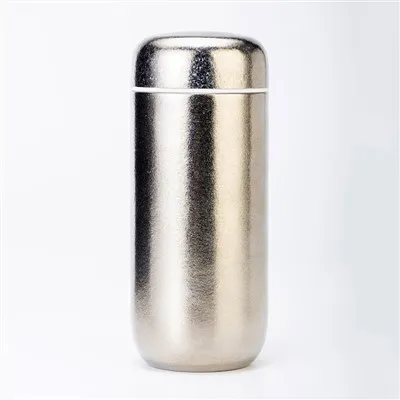
At the end of the day, a leaky mug doesn’t have to be the end of the world. Most of the time, it’s just a small habit or a quick fix that you’re missing. I’ve been there, spilled coffee on my laptop, on my work pants, even once on a client’s presentation (embarrassing, to say the least). So take it from someone who’s spilled more times than they can count: follow those simple steps, and your mug will stay leak-free for years.
Vacuum Travel Mug Reference:
- International Institute of Food and Beverage Packaging, Seal Integrity Standards for Vacuum Insulated Drinkware, 2022
- Consumer Product Safety Commission, Maintenance Tips for Reusable Drinkware, 2021
- Vacuum Insulation Manufacturers Association, Temperature-Related Seal Performance in Drink Containers, 2020
Jiaxing Huading Vacuum Flask Technology Co., Ltd.
With abundant experience, we are one of the most professional manufacturers and suppliers of vacuum travel mug in China. Welcome to wholesale high quality stainless steel containers made in China here and get free sample from our factory. We also accept customized orders.
Address: No.628 Xingping First Road Pinghu Zhejiang China
E-mail: yangdongyan@gint.cc
WebSite: https://www.huadingtop.com/
