Hey there, let’s cut right to the chase—if you’re in the game of piping systems for high-purity media, you’ve probably stared at valve specs for hours, wondering if forging valves are even worth a second look. I’m a forging valve supplier, and I get it. There’s so much FUD (fear, uncertainty, doubt) out there about whether forged components can hold up to the super strict requirements of high-purity apps like pharma biotech, semiconductor manufacturing, or even food and beverage processing. I’ve spent years talking to guys who’ve been burned by cheap valves that leach contaminants, so let’s break this down without the stuffy jargon and corporate fluff. Forging Valve
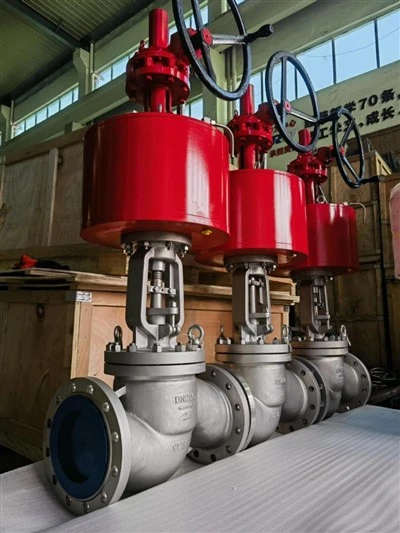
First, let’s define what we actually mean by “high-purity media.” For anyone not deep in the weeds, that’s stuff that can’t have even trace amounts of debris, metal ions, or particulates messing with the final product. Think ultra-pure water (UPW) used in semiconductor wafer rinsing, sterile injectable drugs, or the nitrogen gas that’s critical in microchip fabrication. If a valve lets just a few extra iron ions slip into that mix, you’re looking at a ruined batch of chips that cost hundreds of thousands, or a failed drug trial that sets a company back years. So, the bar for valves here is way higher than your standard industrial ball valve that handles water or basic chemicals.
Now, let’s talk forging vs. other valve making methods, because that’s where the confusion starts. I see it all the time—people mix up casting, machining from bar stock, and forging like they’re all the same. Newsflash: they’re not. Casting is melting metal, pouring it into a mold, and hoping there are no bubbles or inclusions when it cools. Machining from bar stock is cutting a solid chunk, but that’s like carving a statue—you waste a ton of material, and the grain structure of the metal isn’t aligned for stress. Forging, though? That’s heating a metal billet to a specific temp (way below melting, so it’s workable), then hammering or pressing it into shape with massive force. That forces the metal’s grain to flow with the part’s shape, instead of against it, which eliminates internal voids and strengthens the overall structure.
So why do people question if forging valves work for high-purity? Let’s get real—old, bad forging processes might have left some of that billet’s impurities behind, but modern forging tech? That’s a different story. Let’s run through the main high-purity requirements and see how forging holds up.
First, contamination resistance. High-purity media can’t pick up stuff from the valve itself. The biggest culprits here are crevices, gaps, or porous surfaces where particulates can hide or metal ions can leach out. Forging eliminates a lot of that because when you form the metal under pressure, you get a part that’s almost solid—no internal porosity. Compare that to casting, where molds can have tiny air pockets that trap debris, or welding (which is sometimes used in making “high-purity” valves) that creates heat-affected zones prone to corrosion or leaching. Forged valves have fewer joints, too—you can forge a single-piece body instead of welding multiple parts together, which means way fewer crevices where gunk can get stuck. I’ve had a semiconductor client tell me they switched from welded valves to forged ones and saw a 70% drop in particulate counts in their UPW lines. That’s not a fluke; that’s physics.
Then there’s mechanical durability. High-purity systems run 24/7, no downtime. If a valve fails, you’re looking at production halts that cost millions, plus a big mess of contaminated media to clean up. Forged valves have higher tensile strength and fatigue resistance than cast or machined parts because of that aligned grain structure. I remember a pharma customer who was using a cast valve for their sterile water lines—after six months, it had a small crack from pressure cycling, and they had to flush the whole system, which cost them $200k in lost product and downtime. They switched to our forged 316L stainless steel valves, and three years later, they haven’t had a single failure. That’s the kind of ROI that makes forging worth it.
Wait, but let’s not act like all forging valves are created equal. There are right ways and wrong ways to make them for high-purity apps. First, the material matters. If you’re using a cheap stainless steel that’s full of sulfur or other impurities, even forging won’t fix that. 316L (low carbon) or even high-grade duplex stainless steels are standard here, because they resist corrosion and leaching. Also, the finishing process is non-negotiable. A forged valve might look smooth, but if the surface has tiny roughness (Ra) above 0.8 micrometers, particulates will stick to it. That’s why we do electropolishing on our forged valves—it smoothens the surface, creates a passive chromium oxide layer that prevents corrosion, and makes it way easier to clean. We even do steam sterilization and integrity testing on every valve before it leaves our shop, because we know that in high-purity apps, “good enough” isn’t a thing.
Now, let’s address the counterpoints I hear all the time. Some guys say, “Forging is too expensive for high-purity.” Yeah, upfront it might cost a bit more than a cheap cast valve, but let’s do the math. A cast high-purity valve might be $500, while a forged one is $800. But if the cast valve fails after 6 months, you’re paying for a new valve, downtime, lost product, and cleaning—easily $100k+ each time. The forged valve lasts 5-10 years, no major issues, so over time it’s way cheaper. Another complaint: “Forged valves are too heavy.” Okay, maybe compared to a tiny plastic valve, but for high-purity systems, you need metal that can handle pressure and high temps (like in steam lines for pharma). Forging gives you strength without being overly bulky, and modern forging allows for precision shapes that keep weight down.
Wait, what about specific use cases? Let’s get concrete. Semiconductor UPW lines: these need valves that can handle 150+ psi, no particulates. Forged 316L valves with electropolished interiors are the industry standard here—every major chipmaker uses them. Pharma bioreactor lines: sterile media, CIP (clean-in-place) cycles that use harsh chemicals and high temps. Forged valves have no crevices that can harbor bacteria, so they pass sterility testing way better than valves with welded joints. Even food and beverage, like craft breweries using ultra-pure water for beer brewing—guys here have switched to forged valves because they don’t leach metal ions that would mess with the beer’s taste.
I also get asked about testing. How do you prove a forged valve is fit for high-purity? We do third-party testing for particulate levels, ion leaching, corrosion resistance, and cycle life. For example, we send valves to independent labs to run UPW flow tests, counting every particulate over 0.1 micrometers (which is the size that can mess with semiconductors or drug formulations). Most of our forged valves test at less than 5 particulates per liter, which is way below the industry threshold. We also do salt spray testing to make sure they don’t corrode, and cycle tests where we open and close them 100,000 times—no leaks, no cracks.
Look, I’m not here to shill for forging valves like they’re a magic solution. If you’re handling basic, low-purity water, a cast valve works fine. But if you’re in high-purity apps where even the smallest contamination can sink your project or your profit margins? Forged valves are absolutely worth it. The key is working with a supplier who knows how to make them right—using high-grade materials, proper forging processes, and critical finishing steps like electropolishing.
I’ve seen too many companies cut corners here, and it always comes back to bite them. Last year, a biotech startup called me panicking because their “high-purity” valves (which were cast, with welded joints) had metal ion levels 10x over the limit in their drug formulation. They’d just spent $2M on a new production line, and they thought they had to scrap the whole thing. We replaced their valves with our forged 316L ones, re-tested, and their ion levels were within specs. They avoided a disaster, and now they’re a repeat customer. That’s why I care about this—this isn’t just selling parts, it’s helping companies avoid costly mistakes.
So, if you’re currently hunting for valves for a high-purity application, do yourself a favor: stop assuming all valves are the same, and stop letting upfront cost be the only deciding factor. Forged valves aren’t just usable in high-purity media—they’re often the best option, because they solve the two biggest problems in these systems: contamination and failure.
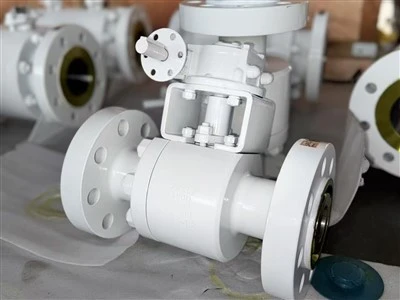
If you’re ready to stop dealing with valve issues that eat into your high-purity operations, reach out to us. We don’t do pushy sales calls; we’ll walk through your specific needs, recommend the right forged valve for your setup, and even help with testing to make sure it checks all your high-purity boxes. No hidden fees, no jargon, just real solutions for real problems.
Ball Valve References
- ASME B16.34: Valves – Flanged, Threaded, and Welded End, Forged and Plug Valves, American Society of Mechanical Engineers
- USP <661>: Container – Performance, United States Pharmacopeia
- Semiconductor Equipment and Materials International (SEMI) F20: Specifications for Ultrapure Water
- Materials Science and Engineering: Forging Effects on Metallurgical Properties of Stainless Steels, Elsevier Publications
Zhejiang Poro Valve Manufacturing Co., Ltd.
With abundant experience, we are one of the most professional forging valve manufacturers and suppliers in China. We warmly welcome you to buy customized forging valve made in China here from our factory. If you have any enquiry about cooperation, please feel free to email us.
Address: PORO Ind. Park, Oubei Dongou Ind. Zone, Wenzhou, Zhejiang, China
E-mail: poro@cnporo.com
WebSite: https://www.cn-poro.com/
