Hey everyone, it’s Jake here from the marine lithium battery team. Lately, I’ve been getting so many DMs and calls from boat owners—newbies and seasoned captains alike—all asking the same thing: how do I actually charge my marine lithium battery? And honestly, I get it. If you’ve only ever used lead-acid batteries before, this whole process can feel super confusing at first. Lead-acid is straightforward—hook up a charger, wait, and you’re done. But lithium is different, right? Mess it up, and you’re looking at shortened battery life, or even worse, safety issues. So I figured I’d break this down like I chat with my buddies at the marina, no fancy tech jargon, just real stuff you can actually use on your boat. Marine Lithium Battery
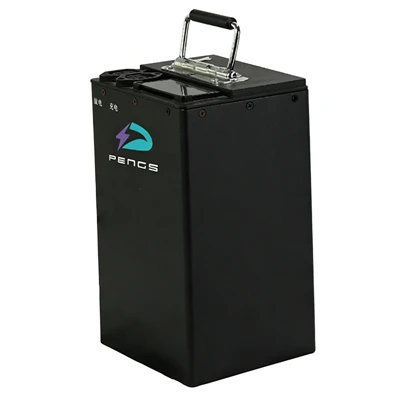
First off, let’s get one thing straight: not all marine lithium chargers are the same. A lot of guys show up to our shop with the old lead-acid charger still plugged in, thinking it’ll work. Newsflash—lead-acid chargers output a different voltage curve, and that’s a one-way ticket to killing your lithium battery fast. We’ve seen it a hundred times. Boats that use our 12V lithium bank trying to charge with a cheap $20 lead-acid charger from the auto parts store, and a month later, they’re back saying their batteries aren’t holding a charge. So rule number one: invest in a charger made specifically for lithium iron phosphate (LFP) batteries, which is the type we supply (and honestly, the best for marine use—way more durable, no fire risk, perfect for saltwater). Wait, but what if you have an alternator on your engine? Or a solar setup? Yeah, that’s another big question. Let’s cover each scenario step by step, starting with the most common one: using a dedicated lithium battery charger.
When you get your marine lithium battery, the first charge is super important. Don’t skip this part. A lot of new owners think, “Oh, I’ll just charge it to full when I get home and that’s it.” But no—initial break-in charge matters. Here’s what you do: when you unbox the battery, it’s probably at a 50% state of charge (SOC) for storage, which is normal. So first, don’t use it until you get it hooked up to the right charger. Plug the charger into a grounded outlet (super basic, but you’d be surprised how many people skip that on a boat with wobbly wiring), then connect the charger’s positive lead to the battery’s positive terminal, negative to negative—don’t cross these, that’s a mistake that’ll fry stuff fast. Now, set the charger to lithium mode. Most modern chargers have a switch that says “Lead-Acid” or “Lithium” or “LiFePO4”—pick lithium. Leave it to charge until the charger clicks over to “full” or the LED turns green. Don’t overcharge it. Modern lithium batteries have BMS (Battery Management System) built in, which will cut off the charge when it’s full, but your charger should too. Overcharging is one of the biggest causes of early lithium battery failure, so don’t just leave it plugged in overnight “just to be safe.” We’ve had customers call us at 2 a.m. panicking because their charger is still on, and it’s because they forgot it’s not a lead-acid that needs a top-off.
Now, what about if you’re charging via alternator—like when you’re out on the water, running your engine? That’s another huge question. Old lead-acid setups use an alternator with a regulator designed for 14.4V or so, but for lithium, you need an alternator that’s compatible with lithium batteries, or a regulator that can be adjusted to lithium specs. Wait, but here’s a trick we’ve learned working with thousands of boat installs: if you have a newer boat, a lot of modern alternators already have a lithium mode. But if you have an older boat, don’t just assume it’ll work. Let me explain: lithium LFP batteries have a higher charge voltage threshold than lead-acid? No, wait, actually—LFP charges best around 14.2V to 14.6V, whereas lead-acid is around 14.4V. It’s small, but that difference is why a lot of alternators undercharge lithium batteries. Undercharging is just as bad as overcharging, because it means your battery never actually reaches full capacity, so over time, it loses its ability to hold charge. So if you’re using your engine to charge, you either need to get an alternator regulator that’s lithium-compatible (we sell these too, fyi) or a charge controller between the alternator and the battery. That charge controller will adjust the voltage to exactly what your lithium battery needs, no matter how your engine is running. We had a customer last summer with a 1998 fishing boat—his old alternator was giving 13.8V, so his lithium bank was only ever at 70% SOC, and he complained he couldn’t make it back to the dock without recharging. We hooked up a cheap charge controller, and boom—now he’s getting full charge every time he runs the engine, and his battery is holding twice as long.
Next up, solar panels. Tons of boaters rely on solar to charge their lithium bank, especially if they do long trips or liveaboard. The same rules apply here: your solar charge controller needs to be rated for lithium, not lead-acid. I’ve seen guys use an old PWM (Pulse Width Modulation) charge controller made for lead-acid, and it just can’t output the right voltage to fully charge a lithium battery. MPPT (Maximum Power Point Tracking) charge controllers are way better for lithium anyway, because they’re more efficient, especially in low light. When setting up your solar charge controller, program it to LiFePO4 mode—most of them have that option. Pro tip: don’t connect too many solar panels at once without checking your battery’s charge rate. Our 100Ah lithium bank can handle a max charge rate of around 50A, so if you hook up solar panels that output 60A, that’s too much, and it’ll trigger the BMS to shut off charging. Keep your charge rate between 0.1C and 0.5C for optimal battery life. C rate, for anyone who doesn’t know, is your battery’s capacity. So 0.5C for a 100Ah battery is 50A, that’s the sweet spot. More than that is okay for short bursts, but consistent high charge rates will wear down the BMS over time.
Now, let’s talk about common mistakes we see all the time, because that’s what really messes people up. First, using a multi-battery charger set to “all batteries” mode. Some fancy chargers let you charge multiple battery types at once, but if you put a lithium and a lead-acid in parallel, charging them with the same charger? That’s a disaster. Lithium will charge faster than lead-acid, so you’ll end up with overcharged lithium and undercharged lead-acid. We get so many horror stories from that. Second, letting your lithium battery drop too low. Unlike lead-acid, which dies if you go below 50% SOC, lithium LFP can handle down to 20% without issue, but don’t go below 10%. If you let it sit at 0% for weeks, that will permanently damage the cells. A lot of people leave their boats in storage over winter and forget to charge the batteries—when they come back in spring, the battery is dead, and half the time it’s toast. Our advice for storage: charge your lithium battery to 50% SOC, then disconnect it from all loads, and check on it every 3 months. If it drops below 30%, top it off with a trickle charge, but don’t overdo it.
Another thing people ask: can I charge my lithium battery and use it at the same time? Yep, that’s called “parallel charging” or “hot charging,” and lithium batteries handle this way better than lead-acid. With lead-acid, using the battery while charging can cause gassing and overheating, but lithium’s BMS and chemistry make it safe. We’ve had liveaboard customers run their fridge, lights, and even an air conditioner while charging via solar and alternator, no issues at all. Just make sure your charging source is powerful enough to handle both the loads and the charge rate. If you’re pulling 20A from your battery to run your fridge and your solar is only putting out 10A, you’re actually draining the battery while “charging,” which isn’t ideal.
Wait, what about the BMS? That’s the brain of the battery, right? It’s what manages charging and discharging, keeps all the cells balanced, and prevents over/under voltage. When you charge your battery, the BMS is doing all the heavy lifting, but it only works if your charging source is compatible. If you use a wrong charger, the BMS might not communicate properly, and it could shut down charging or discharging unexpectedly. We test every battery we sell to make sure the BMS works with all common chargers, but it’s still on you to use the right one. If your BMS is acting up—like your battery stops charging mid-cycle—first check your charger and charge source, not the battery itself.
Let’s do a quick step-by-step for a typical day on the water, to make this real. Let’s say you’re on a weekend trip, leaving your dock. First, before you leave, check your battery’s SOC via the display on the battery (all our lithium batteries have built-in displays, so you don’t need a fancy meter). If it’s at 50% or lower, plug in your dedicated lithium charger for 2-3 hours until it hits 100%. Then, hit the water. When you’re running the engine, turn on your alternator—your battery will charge while you run, perfect. If the sun is out, your solar panels will also be contributing, which cuts down on engine runtime. When you’re done for the day, if you’re at a marina hook up the lithium charger overnight, make sure it’s set to lithium mode, and you’re good to go. No need to leave it on longer than necessary, the BMS will take over once it’s full.
Now, I know some of you are thinking, “What about quick charging?” Yeah, some lithium batteries support fast charging, but our marine lithium batteries—made for saltwater, rough conditions—aren’t designed for super high charge rates that are common in electric cars. Fast charging can generate extra heat, which over time wears down the battery. We recommend sticking to the 0.1C to 0.5C charge rate for long marine battery life. It might take an extra hour, but your battery will last 5-10 years instead of 2-3, which saves you way more money in the long run.
Wait, let’s bust another myth: you don’t need to fully discharge your lithium battery every cycle like you do with old lead-acid. Lead-acid needed that to calibrate, but lithium LFP doesn’t. You can top it off whenever you want, no need to run it all the way down to empty to “keep it healthy.” That’s a huge relief for casual boaters who don’t use their boat every day. You go out for a few hours, use some power, plug in when you get home, that’s it. No weird routines needed.
Now, let’s talk about safety, because that’s non-negotiable on a boat. Lithium is safe, but only if you charge it correctly. Never leave a charging battery unattended on your boat. I know, you’re tired after a long day on the water, but don’t just leave the charger plugged in and pass out. A faulty charger or wiring can cause issues, even with lithium. Also, make sure all your connections are tight and free of corrosion—corroded terminals can cause voltage drops, which mean your battery isn’t charging properly, and that can overwork the BMS. We give every customer a terminal cleaning kit when they buy a battery, use it every few months.
At the end of the day, charging a marine lithium battery isn’t rocket science. It’s all about using the right charger, matching your charging source to lithium specs, and avoiding those common mistakes that kill batteries fast. We’ve spent years testing and refining our batteries for boat use, so we know what works and what doesn’t. If you’re still confused about your setup, or you need a charger, or you’re thinking about switching to lithium, hit us up. We don’t do pushy sales stuff—we’re boaters too, we know how frustrating it is when your battery dies mid-trip. Just send us a message, we’ll walk you through your exact setup, no fine print, no confusing tech talk.
Before I wrap this up, a quick reminder: if you’re new to lithium, don’t try to cut corners. A $50 lithium charger is way cheaper than replacing a $1,000 battery after a year. Trust me, we see it all the time, and it’s not worth it. Take the time to get the right gear, follow the steps we talked about, and your marine lithium battery will last you for years of great days on the water.
Drone Battery References:
- Lithium Battery University. Marine Lithium-Ion Charging Guidelines. Battery University, 2022.
- American Boat and Yacht Council (ABYC). Standard H24 – Electrical Systems Lithium Batteries. ABYC, 2021.
- Solar Power World. Best Practices for Charging Marine Lithium Batteries. Solar Power World, 2023.
- National Fire Protection Association (NFPA). NFPA 70 – National Electrical Code, Article 480: Energy Storage Systems. NFPA, 2022.
Zhuhai Greaton Electronic Technology Co., Ltd.
As one of the most professional marine lithium battery manufacturers and suppliers in China, we have world-leading production equipment and strong manufacturing capabilities. Please rest assured to wholesale advanced marine lithium battery in stock here from our factory. Customized orders are welcome.
Address: 2nd Floor, Building A3, No. 6, Liulu, Xinqing Science and Technology Industrial Park, Jing’an Town, Doumen District, Zhuhai City
E-mail: wangchen1@psbattery.cn
WebSite: https://www.cngreaton.com/
