Alright, let’s cut to the chase: if you’re shopping for a kitchen sink, you’ve probably heard the debate drop dozens of times—stainless steel vs. all those fancy other options (think quartz composite, copper, even that matte black stuff everyone’s going crazy for right now). But one question I get nonstop as a stainless steel sink supplier is: “Are stainless steel sinks actually good for undermount installs?” And yeah, I get it—undermount is super popular right now because it gives that seamless, sleek look where your countertop hangs over the sink, no crannies to catch crumbs or gunk. But it’s not a set-it-and-forget-it thing, and stainless steel has its own pros and cons here that no one’s really spelling out without the sales fluff. Stainless Steel Sink

First, let’s break down what an undermount install even is, for anyone who’s new to this (because not every shopper is a kitchen remodel pro). Unlike a drop-in sink, which just sits on top of your countertop with a big rim hanging over the edge, undermount is mounted from below. The sink’s edges are glued or clipped to the underside of the counter, so the countertop overhangs the sink basin—meaning you can wipe a spill straight off the counter right into the sink, no weird lip to trip over. That’s the biggest win for undermount, right? But when you pair that with stainless steel, the material has to hold up to a few specific things that drop-in sinks don’t have to deal with.
Let’s start with the good stuff, because that’s where stainless steel undermount really shines. First up: durability. I’m not just saying that because I sell these, trust me—we’ve tested our undermount stainless steel sinks through some ridiculous stuff here at the warehouse. We dropped 10-pound cast iron skillets, banged on them with oven mitts (okay, maybe not too hard, but close), left hot pots on them for 20 minutes straight. Stainless steel’s 18/10 or 18/8 grade (that’s the ratio of chromium to nickel, for anyone who cares) can take way more heat and impact than, say, porcelain, which is a total no-go for undermount because porcelain chips way too easily when you mount it from below—one tiny crack and that sink’s done. Also, stainless steel is way less prone to scratches than you might think. Yeah, it scuffs, but those scuffs sand out super easy with a little baking soda and a soft cloth, no special products needed. That’s a huge win for busy households where stuff gets banged around daily.
Next, the seamless aesthetic. I get it—when you walk into a kitchen, the last thing you want to see is a clunky rim where the sink ends and the counter starts. Undermount stainless steel gives you that clean, modern look that’s basically non-negotiable for most remodels these days. But here’s a thing I don’t see a lot of people talk about: stainless steel’s flexibility in design. We make undermount sinks in everything from small 15-inch bar sinks to large 36-inch double bowls, even with specialized depths for large pots or single-basin layouts for big families. Unlike some other materials that only come in certain shapes (looking at you, copper—hard to get a deep undermount copper sink without it bulging weird), stainless steel can be formed to fit almost any undermount template, so you’re not limited if you have a specific counter size in mind.
Wait, another pro that’s underrated: price point. Let’s be real—kitchen remodels add up fast. If you’re eyeing that quartz composite undermount sink, you’re probably looking at $500 and up for a basic model. Our stainless steel undermount sinks start around $200 (for entry-level 16-gauge) and go up to $800 for premium 18-gauge with extra soundproofing. That’s a way bigger gap, and for most homeowners, that’s money you can put toward a new faucet or tile backsplash instead. And before you say “oh, cheap stainless steel is flimsy,” let’s clarify: gauge matters. 16-gauge is thinner, good for small kitchens; 18-gauge is thicker, more durable for heavy use, and worth the extra $100 if you’re planning to stay in the home long-term. We stock both, so you don’t have to overspend just to get a sink that works for undermount.
But hey, no material is perfect, and stainless steel undermount has its own headaches that you need to know before you commit. First up: sound. Undermount installs mean the sink’s not sitting on a countertop that’s acting as a buffer, so when you run water or drop a glass, that noise gets amplified. Now, premium stainless steel undermount sinks have a rubber or foam undercoating that cuts that noise by like 70%—we add that to all our mid and high-grade models for a reason. But if you go cheap on a 16-gauge without the undercoating, you’ll hear every splash, every utensil clink, and that can get annoying fast, especially if you have a small home or open-concept kitchen. That’s a big one I always warn people about—don’t skimp on the soundproofing if you care about quiet.
Another con: water spots and fingerprints. Stainless steel’s signature brushed finish is sleek, but it’s a magnet for water spots from hard water, and fingerprints from greasy hands or cleaning products. With a drop-in sink, that rim kind of hides spots, but undermount means the entire basin is exposed, so every little streak is visible. Now, this isn’t a dealbreaker—if you wipe it down with a microfiber cloth after use, the spots wipe right off. But if you’re the type who hates cleaning, or if your area has super hard water, you might be staring at spots more than you want. Matte black stainless steel is a thing now too, by the way, and it hides spots way better, but that’s a more premium option and still not as popular for undermount as brushed stainless.
Wait, let’s talk installation, because that’s a make-or-break for undermount stainless steel. Undermount installs aren’t DIY-friendly for most people—you need to make sure your countertop is perfectly level, the sink is sealed correctly with food-grade adhesive (we supply that as part of our installation kit, by the way), and there’s no gap between the sink and counter that can let water seep in. If you mess up the seal, you get mold or water damage under your countertop, and that’s a nightmare to fix. I’ve seen way too many customers try to do it themselves, cut the counter too big, and end up needing a full counter replacement because the sink wouldn’t fit. So if you’re not a licensed plumber or experienced with countertop installs, hire a pro specifically familiar with undermount sinks—don’t risk it.
Also, what about corrosion? Some people swear stainless steel rusts, but that’s only if it’s low-quality (like 200-series stainless, which is cheaper and more prone to corrosion) or if you leave standing water in the sink for weeks at a time. Our undermount sinks are all 300-series, 18/10 chromium-nickel, which is rust-resistant for years. We’ve had customers who’ve had their sinks for 10 years, no rust, no discoloration. But if you’re using harsh drain cleaners (like those acidic ones that eat away at metals), that can damage the finish, so stick to gentle, enzyme-based cleaners if you want your sink to look new.
Let’s also compare to other undermount materials just to put it in perspective, since that’s what shoppers are actually weighing. Quartz composite undermount is popular because it’s stain-resistant and quiet, but it chips way easier than stainless steel—one time I had a customer drop a cast iron skillet on their quartz undermount, and it cracked right through, had to replace the whole sink. Copper undermount is gorgeous, but it patinas over time (some people love that, some hate it) and it’s way more expensive, plus it can dent if you drop a heavy can. Porcelain undermount is just a bad idea for most homes—too fragile, chips easily, and if it cracks, you can’t fix it. So stainless steel’s middle ground here is actually pretty solid: durable, affordable, looks good, and only has those minor downsides compared to the alternatives.
Now, as a supplier, I’ve seen a lot of customers make the right call with stainless steel undermount, and some who regret it because they didn’t check a few boxes. Let’s lay out the quick checklist I give every potential buyer: 1) Get 18-gauge minimum (16-gauge is okay for small bars, but 18-gauge is better for kitchens), 2) Make sure it has soundproofing undercoating (foam or rubber), 3) Hire a professional installer who’s done undermounts before, 4) Opt for a brushed finish if you hate wiping spots, or matte black if you don’t mind the extra cost. If you check those boxes, stainless steel undermount is totally worth it.
Wait, one last thing that a lot of people don’t think about: resale value. Kitchens are one of the biggest factors in home resale, and a good sink can add value. I’ve talked to real estate agents who say undermount stainless steel sinks are a big plus because they’re functional, look modern, and don’t have the cheap look of a drop-in. Quartz composite is also popular, but stainless steel is more timeless—10 years from now, when trends change, a stainless steel sink won’t look dated the way a matte black or super trendy copper one might. That’s a big plus if you plan to sell your home in the next 5-10 years.
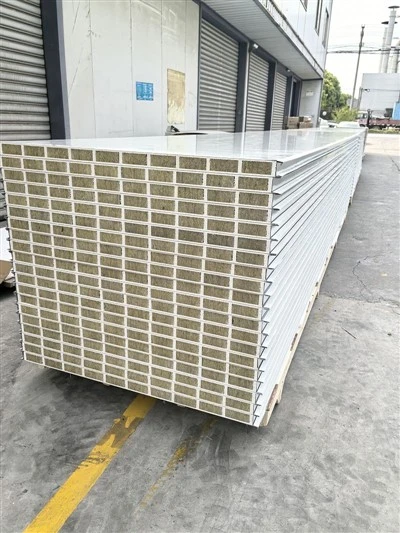
Hand-made Sandwich Panel Okay, let’s wrap this up so it’s not a novel. The short answer: yes, stainless steel sinks are great for undermount—if you pick the right grade, get the right features, and hire a pro to install it. The downsides are minor compared to the pros, especially if you’re working with a budget and want a sink that lasts. If you’re ready to browse our line of undermount stainless steel sinks, or have questions about gauge, soundproofing, or installation kits, feel free to reach out to our team for a chat. We’re here to help you pick the best sink for your kitchen, no sales pressure, just straight-up advice.
References
- Kitchen and Bath Industry Association. (2022). Undermount Sink Installation Best Practices.
- Stainless Steel Industry Alliance. (2023). 300-Series vs. 200-Series Stainless Steel: Durability and Corrosion Resistance.
- National Kitchen and Bath Association. (2021). Kitchen Sink Material Comparison: Cost, Durability, and Aesthetics.
Suzhou Jinye Air Purification Steel Structure Co., Ltd.
As one of the most professional stainless steel sink manufacturers and suppliers in China, we offer a wide range of products with superior quality. Please feel free to wholesale durable stainless steel sink for sale here from our factory.
Address: No. 858 Jinsheng Road, Jinjiaba Town, Wujiang District, Suzhou City, Jiangsu Province, China
E-mail: 18913057067@163.com
WebSite: https://www.suzhoujinye.com/
