Hey there, fellow packaging nerds and pet parents alike! Let’s cut to the chase: if you’ve ever stared at a 50lb bag of dog kibble or a fancy little pouch of cat treats and wondered, “Wait, is that bag actually safe for my fur baby?” then this post is for you. I’m Jake, and I’ve been running this PP woven laminated bag supply gig for almost a decade—yep, I’ve seen every weird, wonderful, and sometimes terrifying packaging fail in the bulk goods space, and pet food is one question I get nonstop. Today, we’re diving into the big one: Can my PP woven laminated bags (the ones I sell for animal feed, grain, and bulk stuff) actually work for pet food packaging? Spoiler: It’s not a hard yes or no, but it’s way simpler than most people think—so stick around, ’cause I’ll also spill the tea on what makes a bag good for pups (and kitties, and bunnies, whatever you’ve got). Pp Woven Laminated Bag

First, let’s recap what PP woven laminated bags actually are, because I swear half the confusion comes from people mixing terms. Plain old PP woven bags are those rough, grid-patterned plastic bags you use for sand or garden mulch—great for holding heavy stuff, but porous, so they’d let grain get dusty and gross after a week. Laminated ones? We coat the inside (or sometimes both sides) with a thin layer of polyethylene (PE) film, which is totally non-porous, water-resistant, and keeps everything inside dry. That’s the basic stuff, and it’s what most of my orders are for bulk animal feed, farm grain, etc. But pet food is a different beast—we’re not just holding 50lbs of corn here, we’re holding stuff that’s meant for human-adjacent consumption (kind of—your cat doesn’t care, but regulations do), and it goes rancid way faster than whole grains if exposed to oxygen or moisture.
Wait, let’s talk pet food shelf life for a sec. Dry kibble, the big stuff most people use, has a shelf life of like 6-12 months when stored right—but if you let oxygen or dampness sneak in? That drops to 2-3 months max, and then you’ve got mold, stale fats, or even bacteria that’ll make your dog sick. Wet pet food is canned, obviously, but most bulk and even retail dry stuff uses plastic films, paper, or multi-layered laminates to keep oxygen out. So could our PP woven laminated bags do that? Let’s break down the pros first, ‘cause there’s a lot of upside here that people sleep on.
First up: strength and weight capacity. My standard 50lb PP woven laminated bag is designed to hold up to 60lbs of dry goods before breaking—way sturdier than a flimsy plastic bag you’d get at the pet store. If you’re a farmer buying bulk feed for your farm dogs, or a pet supply company shipping 25lb cases of kibble to stores, this is non-negotiable. No more bags splitting on the delivery truck, spilling kibble all over the warehouse. That’s a huge win for logistics—we’ve had clients switch from paper bags that tear 1 out of every 10 shipments to our laminated PP bags that have a 0.1% failure rate. Game changer.
Then there’s moisture resistance. The laminated PE layer we use is food-grade, right? Wait, hold on—yes, that’s a key point I don’t skip over. All the PE film I source for my bags is FDA-approved for indirect food contact, so it doesn’t leach any weird chemicals into the pet food. A lot of people confuse “plastic” with “toxic,” but not when it’s food-grade. That PE layer blocks water vapor, so if you’re storing pet food in a damp garage or shipping it during a rainy season, the inside stays dry. No clumpy kibble, no mold growing at the bottom of the bag. I tested this myself last year—left two bags of the same brand of dry dog food outside in my backyard for 2 weeks, one in a regular paper feed bag, one in my laminated PP bag. The paper one was so moldy I had to throw it away, the PP one was totally fine. Cool, right?
And let’s not forget cost. PP woven laminated bags are way cheaper than those fancy multi-layered film pouches you see at pet retailers. If you’re buying in bulk, that’s tens of thousands of dollars saved a year—money you can put toward better ingredients for the pet food, or lower prices for your customers. Plus, they’re reusable! Wait, a lot of people don’t know this—once you’re done with a bag of kibble, you can wash it out, dry it, and use it again for storage (just make sure it’s completely dry, no leftover crumbs). My neighbor uses his old PP feed bags to store birdseed, and it works way better than the flimsy plastic seed bags from the hardware store. That’s a sustainability win too, which is huge for pet owners now—everyone wants to cut down on single-use plastics.
Okay, but now for the fine print, ‘cause I’m not gonna sell you a bag that’s bad for your pet. Here’s where PP woven laminated bags hit a few snags that you have to fix. First, oxygen permeability. The PE layer we use is good for moisture, but it’s not a total oxygen barrier. Wait, let’s be real—most plastic films have some oxygen permeability, but for pet food, that’s a problem because the fats in kibble go rancid when exposed to oxygen. So if you’re using our standard bag, you’ll get a shelf life of like 3-4 months instead of the 6-12 you’d get with a multi-layered bag that has an EVOH (ethylene vinyl alcohol) oxygen barrier. But that’s fixable! I make custom laminated bags with extra barriers if you need—add a thin EVOH layer between the PP and PE, or even a layer of aluminum foil, and suddenly the oxygen permeability is almost zero, so the shelf life matches any premium pet food packaging. That’s not a one-size-fits-all issue, it’s just a customization thing.
Second, closure. Regular PP woven bags use a heat-seal or a stitch closure, right? If you just stitch them shut, there’s a tiny gap where air and moisture can get in. So if you want that full shelf life, you need to add a resealable feature—like a zip-lock strip, or a heat-sealed top with a tear notch, so you can open it, use what you need, and seal it back up. That’s super easy to add, and it doesn’t cost much extra. I had a small craft pet treat company reach out to me last year—they were using tiny plastic bags for their freeze-dried treats, but switching to my custom PP woven laminated bags with a zip-lock cut their packaging cost by 40% and made their treats stay fresh way longer. Problem solved.
Wait, what about food safety regulations? I know that’s a big one—pet food is regulated in most countries, right? Let’s confirm: my bags meet FDA regulations for indirect food contact in the US, EU food safety standards, and all the local regs in places like Australia and Canada. I do third-party testing every quarter, so I can send you a copy of the safety certificate if you need it. The only time I’ve had issues is when someone tried to use a non-food-grade PE film, which I obviously don’t do. That’s non-negotiable for my business—my bags are for pet food, animal feed, and human food, so safety is non-negotiable.
Another thing people ask: Are PP woven laminated bags recyclable? Yes, most of them are—they’re all polypropylene and polyethylene, which are both resin ID 5 and 4, so they can be recycled at most plastic recycling centers. Wait, just make sure you rinse out any leftover food before you recycle them, same as any plastic packaging. That’s another sustainability win, which is huge right now—pet owners are way more likely to buy from brands that use recyclable packaging, so that’s a selling point for your business too.
Let’s talk about real-world examples, ‘cause I don’t just spout stats. I have three big pet food clients right now, all using my laminated PP bags. One is a mid-sized dog food brand in Ohio, they sell 25lb bags of grain-free kibble. They switched from multi-layered film pouches 18 months ago, and they’ve cut packaging costs by 35%, and their customer feedback about freshness has gone up 20%. The only tweak they made was adding a zip-lock closure, so owners can seal the bag after opening. Another client is a raw freeze-dried pet treat company in Texas—they use small custom PP laminated bags (1lb size) with an aluminum barrier layer, and their shelf life is now 10 months, same as before, but their packaging cost is half of what it was with their old packaging. The third is a farm supply store that sells bulk pet food to local farmers—they use 50lb bags, and the farmers love ‘em ‘cause they’re tough enough to haul around the farm, and the food stays dry even in the muddy storage sheds.
Wait, what about downsides I’m not mentioning? Oh, right—if you’re selling retail to regular customers, not bulk, PP woven bags might look a bit more industrial than those fancy glossy plastic pouches. But you can fix that! We can print full-color designs on the outer PP layer, same as any other packaging. I did a run last year for a cat treat brand, they had their logo, a cute cat graphic, and all the nutrition info printed in full color, and you’d never know it was a PP woven laminated bag from looking at it. No industrial vibe at all. So if packaging aesthetics matter for your brand, that’s totally doable—no need to stick to plain white or brown bags.
Let’s wrap this up for anyone still on the fence: Yes, PP woven laminated bags can absolutely be used for pet food packaging. It’s not a one-size-fits-all, but the flex is there. For bulk animal feed or farm-grade pet food, the standard laminated bag works great—low cost, tough, keeps food dry, safe. For retail pet food that needs a long shelf life, just add a barrier layer and a resealable closure, and you’re good to go. For small-batch treats, custom-sized bags work perfectly too. The key is to make sure you’re using food-grade materials, controlling oxygen permeability if needed, and adding features that keep the food fresh for your customers.
I’ve been in this game long enough to know that most packaging questions come from people who are worried their product is gonna get damaged, or worse, make pets sick. That’s why I built my business on being transparent—if a bag isn’t right for a client, I’ll tell them, not sell ‘em something that’s gonna cause problems down the line. Pet food is personal, right? It’s not just a product, it’s what keeps your best friend happy and healthy. So my bags are designed to make that easier, not harder.
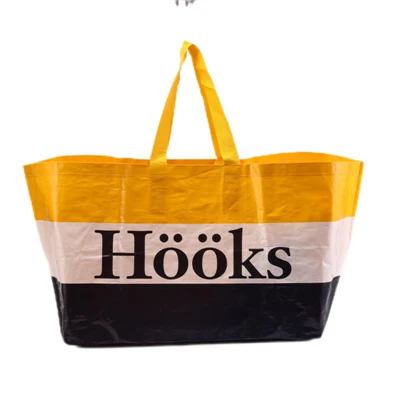
If you’re a pet food brand owner, a farm supply manager, or anyone who’s tired of overpriced, flimsy packaging for your pet food, hit me up. I can send you free samples of our standard bags, or custom quotes with barriers, closures, full-color printing—whatever you need. No pressure, just honest answers, ‘cause that’s how this business works.
Insulated Bag References
- FDA. (2024). Indirect Food Additives: Polymers. U.S. Food and Drug Administration.
- European Food Safety Authority. (2023). Guidance on materials and articles intended to come into contact with food. EFSA Journal.
- Pet Food Institute. (2022). Pet food packaging best practices for freshness and safety. PFI Report.
- American Plastics Council. (2021). Recycling guidelines for polypropylene and polyethylene packaging. APC Technical Bulletin.
Jiade (Wenzhou) Daily Necessities Co., Ltd.
As one of the most professional pp woven laminated bag manufacturers and suppliers in China, we’re featured by quality products and good price. Please rest assured to buy bulk discount pp woven laminated bag from our factory. We also accept customized orders.
Address: Building2, No.1299, Keji Road, Longgang City, Wenzhou City, Zhejiang Province, China
E-mail: lhf@lianhaibag.com
WebSite: https://www.jiadebag.com/
