Let me start by saying this isn’t some overly technical engineering manual written in a cold, sterile tone—this is from someone who’s spent the last seven years working with small mud pumps, answering 2 a.m. calls from well drillers who burned out a generator because they forgot one key detail, and tweaking setups that make small-scale drilling jobs run smoother without the headache. If you’re a small driller, a construction contractor doing horizontal boring, or a hobbyist working on a backyard water well, chances are you’ve asked: can I run my small mud pump off a generator without frying either piece of gear? The short answer is yes—but only if you do it right, and as a small mud pump supplier, I’ve walked dozens of customers through this exact process, learned from their mistakes, and streamlined the steps that actually matter (no confusing jargon, I promise). Small Mud Pump
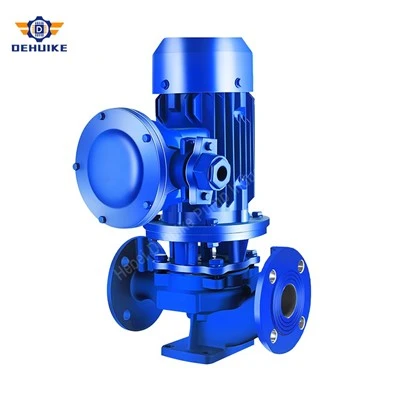
First, let’s talk about why this matters so much for small mud pump owners. For years, customers would come to me panicking, saying they grabbed a cheap generator from the hardware store and plugged in their 2-inch mud pump, only to have the generator sputter out halfway through a well bore, or the pump seize up 10 minutes later. The problem almost never is that the generator is “too weak” or the pump is broken—it’s a mismatch in load requirements that most big box stores don’t tell you about, because they sell pumps and generators as separate, unrelated items. As a supplier, I test every mud pump we ship with recommended generator specs, and that’s where I always start with anyone looking to pair the two.
Let’s break down the basics first, because you can’t do this step right if you skip the numbers. Small mud pumps (think: 1.5-inch, 2-inch, 2.5-inch models, the most common for residential wells, mini directional drilling, or pond dredging) don’t run on steady, constant power like your home’s electrical grid. They need two key power stats from your generator: starting wattage (also called surge wattage) and running wattage (continuous wattage). Running wattage is the power the pump uses once it’s up and working smoothly. Starting wattage is the extra surge of power it needs for the first 2 to 5 seconds when you flip the switch—this is the make-or-break number most people miss.
For example, the 2-inch small mud pump we supply has a continuous running wattage of 2,800 watts and a starting wattage of 8,400 watts. That means if your generator only has 3,500 running watts and 7,000 starting watts, it won’t cut it—because the pump needs that extra 1,400 watts of surge power to kick on, and a generator that can’t deliver that will either drop its voltage and shut down, or cause the pump’s motor to overheat. I see this mistake all the time: someone buys a 7,000-watt “peak” generator and thinks that’s enough, but peak is the starting wattage—so they’re looking at a 5,500-watt running generator for that 2-inch pump, which is still too low. Rule of thumb I give every customer: for a small mud pump, pick a generator with starting wattage at least 1.5 times the pump’s starting requirement. If your pump has a printed tag (which all reputable small pumps do) that says “Max Starting Load: 6,000 watts,” your generator needs to hit at least 9,000 starting watts. Don’t guess—pull the pump’s manual or the spec sheet from the supplier, write those two numbers down, and compare them to the generator’s specs (always double-check: some generators lie about their peak rating, so go for well-known, tested brands if you can).
Next, generator compatibility beyond wattage: you need to make sure your generator is a pure sine wave model. Wait—what does that mean, and do small mud pumps care? Yes, they do. Old, cheaper inverter generators aren’t pure sine wave, they’re modified sine wave, and while that works for power tools or small lights, it can damage the solid-state motors on many small mud pumps, especially the ones with variable speed controls or built-in pressure sensors. Modified sine wave creates choppy electrical current that can overheat the pump’s windings over time, leading to premature failure. Pure sine wave generators output current that’s identical to what comes out of your home wall outlet, so it’s safe for electronics, motorized tools, and small mud pumps. I recommend this to every customer who’s pairing a generator with their small pump—cutting corners here will cost you more in pump repairs down the line, not to mention the lost time on a job. A quick check: look on the generator’s label for “pure sine wave” or “THD (Total Harmonic Distortion) less than 5%.” Anything over 5% can damage sensitive motor parts.
Now, once you’ve got the right generator, there are a few pre-plugging steps that are non-negotiable, and these are the steps that separate someone who gets through a job without issues from someone who’s on the side of the road troubleshooting. First, size your extension cord correctly. This is a huge one. A lot of people grab a random 14-gauge extension cord from their garage, plug it in, and wonder why the pump is underperforming. Small mud pumps draw a lot of current, and a thin, long extension cord causes voltage drop—meaning the power reaching the pump is less than what the generator is putting out, which makes the pump work harder, overheat, and even trip the generator’s breaker. The rule for extension cords: for 10 amps or less, 16-gauge is fine, but small mud pumps draw 15 to 25 amps, depending on size. For a cord under 50 feet, use 10-gauge. For 50 to 100 feet, go up to 8-gauge. Anything longer than 100 feet? Don’t use an extension cord, or consider a permanent transfer switch if you’re running the pump at a remote site for hours. I’ve seen a customer use a 100-foot 14-gauge cord for a 2-inch pump, and halfway through drilling a 100-foot well, the pump’s motor burned out—he called me, and the issue wasn’t the pump, it was the extension cord. This is such an easy fix, I always make sure to mention it in my follow-up emails to customers who buy both pump and generator.
Then, ground both pieces of equipment. I can’t stress this enough, especially if you’re working on a construction site, in a muddy area, or near standing water. Small mud pumps are metal, generators are metal, and when they’re sitting on damp ground, there’s a risk of electrical shock if the wiring is faulty. All reputable small mud pumps have a ground terminal on the motor housing, and most generators have a ground bus bar. Use a thick, solid copper wire (10-gauge or larger) to connect the pump’s ground terminal to the generator’s ground, then drive a ground rod 6 feet into the ground near the generator’s location and connect the generator’s ground to the rod. If you’re working in an area with rocky soil where you can’t drive a rod, use a 5-gallon bucket of water with a bag of salt in it to create a conductive ground—just make sure it’s not sitting in a low spot where it could flood. This step takes 10 minutes, but it can prevent serious injury, and it also stabilizes the electrical current to the pump, reducing motor wear.
Now, the actual process of running the pump—don’t just plug it in and flip the switch. There’s a sequence, and skipping it will cause the generator to trip. Let’s walk through that step by step, because this is what I demo for every customer who comes to pick up a pump from my shop:
-
Pre-check: Make sure the generator is on a flat, level surface (tilt can cause fuel leaks or trigger the low-oil shutoff), the fuel level is full (never run a generator on a half tank during a job—you don’t want it dying mid-pump), and the generator’s circuit breaker is in the “off” position. Double-check that the pump’s intake hose is submerged in your mud source (well, pond, drilling slurry pit) and the discharge hose is secured so it’s not whipping around under pressure—safety first.
-
Start the generator: For most modern pure sine wave generators, this means flipping the fuel switch, setting the choke to “full choke” for cold starts, pulling the recoil or pressing the electric start button, letting it run for 30 seconds to warm up. Once it’s running smoothly, set the choke to “half” (or “run” if it’s warm out), and wait another 15 seconds. Do NOT plug the pump in while the generator is still sputtering—wait for it to hit steady running speed, which takes about a minute.
-
Plug in the pump: Grab the heavy-duty extension cord you sized earlier, make sure the ends are dry and free of cracks (moisture in electrical connections is a fire hazard), plug one end into the pump’s power input, the other into the generator’s outlet. Leave the pump’s switch off for now—don’t flip it on yet.
-
Turn on the generator’s circuit breaker: This sends power through the cord to the pump, but the pump’s motor is still off. Wait 10 seconds for the power to stabilize—this lets the generator adjust its voltage to the load before you add the surge from the pump starting.
-
Start the pump: Now flip the pump’s power switch to “on.” Hold on—you’ll hear the generator’s RPM spike for 2 to 5 seconds as the pump’s motor surges, that’s normal. Once it settles, the pump will start pumping mud. If the generator trips the breaker or the pump seizes up immediately, that’s when you go back and check your wattage numbers—9 times out of 10, either the generator was too small, or the extension cord was too thin, not the pump itself.
Once the pump is running, there are a few ongoing checks to keep everything working, especially for long jobs. First, monitor the generator’s fuel level every hour—small generators can burn through 1 to 2 gallons of gas an hour, depending on size, so make sure you’ve got a spare tank on hand for all-day drilling jobs. Second, listen for any unusual noises from either the pump or generator: a grinding sound from the pump means the impeller is clogged with mud or debris, so turn everything off and clean the strainer on the pump’s intake. A sputtering generator means it’s running low on fuel or the carburetor is gunked up—if you’re working in dusty, muddy conditions, keep the generator’s air filter covered when it’s not running to prevent debris from getting in. Third, never overload the generator with other tools while the pump is running—if you need to run a drill or a saw, turn the pump off first, let the generator run unloaded for 30 seconds, plug in the other tool, then start the pump again. Adding extra load while the pump is running can cause voltage drop and damage the pump’s motor.
Wait, what about for larger small mud pumps, like 3-inch or 4-inch models? The same rules apply, just scaled up. For a 4-inch pump with a starting wattage of 12,000, you’ll need a generator with at least 18,000 starting watts, pure sine wave, and you’ll need a 6-gauge extension cord if you’re running it 75 feet or more. I’ve had customers use 12,000-watt generators with 4-inch pumps and swear by them, but I always recommend over-sizing by 20% to account for voltage drop and unexpected surges from thick mud or slurry. The last thing you want is a pump struggling to push heavy mud because you picked the minimum generator size.
I should also address a common question I get: can I run a small mud pump off a generator with a transfer switch instead of an extension cord? For permanent setups, like a mud pump that runs at a job site for weeks at a time, a transfer switch is a great idea—it’s installed between the generator and the pump, it reduces the risk of loose connections causing voltage drop, and it’s safer because it prevents backfeeding into the grid (though that’s less of an issue for temporary sites). But for most small, occasional users, a properly sized extension cord works just fine, and it’s much more affordable.
Now, let’s talk about the mistakes I’ve seen that you can easily avoid, because these are the ones that cost people time and money. First: using a generator that’s not pure sine wave. I had a customer last year who saved $200 on a modified sine wave generator for his 1.5-inch pump, and after 6 months, the pump’s motor burned out. The repair cost $800, which was way more than the difference between a pure sine wave and modified generator. Second: not checking the pump’s strainer before starting. If mud, rocks, or debris get sucked into the pump’s impeller, it can seize up, and when you try to restart it, it draws extra power that trips the generator. Always check and clean the strainer every time you use the pump, especially if you’re pumping from a pond or a pit with lots of sediment. Third: running the generator in an enclosed space. Even if you’re at a remote site, never run a generator in a tent, a trailer, or even under a overhang that blocks airflow. Generators emit carbon monoxide, and running them in enclosed spaces is deadly—plus, they’ll overheat and shut down quickly without proper ventilation. I always tell customers to set up the generator at least 20 feet away from the pump, with the exhaust pointing away from people and equipment.
As someone who’s been in the small mud pump game for years, the biggest frustration I see is people overcomplicating this process. It doesn’t have to be a PhD in electrical engineering. The core steps are: get a pure sine wave generator with enough starting and running watts, size your extension cord correctly, ground both pieces, follow the start sequence, and do basic checks while you’re working. That’s it. There’s no secret trick, no magic adapter, just following the numbers and the safety steps.
If you’re in the market for a small mud pump and a generator, or you have a set of equipment you’re already using that’s giving you trouble, I’m here to help. I’ve tested every pump we sell with generator setups, and I can walk you through exactly what size generator you need for your specific pump model, no confusing spec sheets to parse. I’ve also helped dozens of customers troubleshoot bad pairings in the past, whether it was a too-thin extension cord or a generator that was underrated.
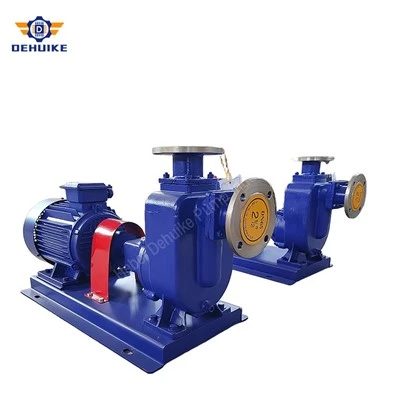
If you’re ready to get set up with a reliable small mud pump and a generator pairing that works, or you have questions about your current setup, don’t hesitate to reach out. We can talk through your job size, your pump model, and any issues you’re having, so you can get back to drilling, dredging, or whatever your project is without worrying about equipment failures.
Horizontal Slurry Pump References:
- National Driller Association. (2021). Small Mud Pump Generator Compatibility Guide. International Association of Drilling Contractors.
- Underwriters Laboratories. (2020). Pure Sine Wave Generator Safety Standards for Motorized Equipment. UL 2201.
- Occupational Safety and Health Administration. (2019). Portable Generator Safety Requirements for Construction Sites. OSHA 3230-08R.
- Pump Industry Association. (2022). Extension Cord Sizing for Small Hydraulic Pump Applications. PIA Technical Bulletin 107.
Hebei Dehuike Pump Industry Co., Ltd.
Hebei Dehuike Pump Industry Co., Ltd. is one of the most experienced small mud pump manufacturers and suppliers in China, featured by quality products and good price. Please rest assured to wholesale durable small mud pump made in China here and get quotation from our factory. Customized orders are welcome.
Address: Building A, Shanggu Daguan, Jingxi District, Baoding City, Room 1708
E-mail: postmaster@dhkpump.com
WebSite: https://www.dehuikechina.com/
