If you’ve ever wandered the aisles of a specialty grocery store, odds are you’ve spotted two distinct claims on labels: one for “cold pressed” olive oil, another for “cold pressed” juice, and maybe even a jar of nut butter that touts the same term. As a supplier of cold pressing machines, I get this question all the time from customers—food manufacturers looking to refine their processes, small-batch makers scaling up, even home chefs curious about what the label on their favorite bottle actually means. The short answer is no: cold pressing for commercial production isn’t the same as cold pressing for cooking at home. But let’s break down why that distinction matters, how the science shifts between the two, and what it means for anyone choosing a cold pressing system for their work. Cold Pressing Machine
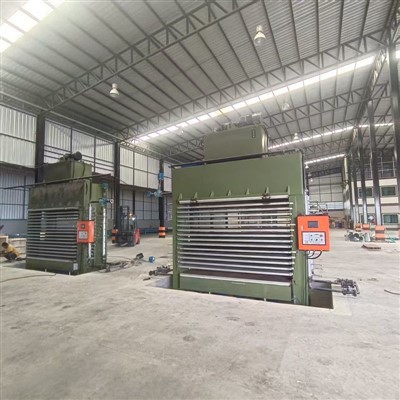
First, let’s start with the core definition that ties both versions together, because that’s where the confusion often begins. At its root, cold pressing is a mechanical extraction method that avoids applying high heat to a raw material during the extraction process. For cooking oil, for example, heat is the enemy: it can break down delicate fatty acids, destroy heat-sensitive vitamins (like vitamin E and K), and even cause oxidation that turns oil rancid faster. For juice or nut butters, heat can alter flavor, reduce nutrient density, and change the texture—all things consumers pay a premium for, so cold pressing was designed to protect those qualities. That shared goal is why the term is used across industries, but the execution? That’s where things diverge sharply.
Let’s talk about cold pressing for cooking first, specifically the kind used to make edible oils like olive oil, sesame oil, or avocado oil for retail sale. When I work with a food manufacturer looking to set up a cold press line, the first thing we clarify is temperature control at the point of extraction. For cooking oil, the official threshold (set by organizations like the International Olive Council) is that cold pressing means the entire process—from the moment raw olives are harvested to the second oil is separated from pomace (the solid leftover) never exceeds 27°C (80.6°F). That’s not a random number: above that, enzymes in the fruit start breaking down, leading to bitter flavors, and beneficial compounds like polyphenols begin to degrade. For commercial cooking oil, the cold pressing machine we supply is engineered with precision cooling systems built into the press chamber, the auger (if using an auger-style press), and the collection tanks. We test every unit to ensure that even after hours of continuous operation, the internal temperature never creeps above that 27°C limit. What’s more, for cooking oil, the end goal is a stable product that can be stored for months without losing its profile—so cold pressing here is also about minimizing physical stress on the oil molecules. Commercial cold press cooking oil is often filtered gently, not refined, to keep those delicate compounds intact, which is why it’s marketed as “extra virgin” or “cold pressed” on store shelves.
Now, let’s shift to cold pressing as it’s often done in home cooking, or even in small juice or nut butter operations. When a home cook presses a lemon to make salad dressing, or grinds peanuts into nut butter using a manual press, they’re using a form of cold pressing too—but there’s no formal temperature regulation here. The heat generated is from friction between the press mechanism and the raw material, and it’s usually negligible, right? A few degrees at most, never close to the thresholds that would damage the food. For small-batch juice makers or home-style nut butter producers, that low, friction-only heat is exactly what they want, because it doesn’t compromise flavor. But here’s where the line blurs: some small-scale producers who move to commercial volumes mistakenly assume their home-style press will work for cooking oil, and that’s when problems pop up. A manual or small electric press that works for a single batch of juice will generate more heat when running 24 hours a day for oil extraction, often pushing past the 27°C limit. That’s why, as a machine supplier, we don’t just sell equipment—we guide customers to match the press’s capacity to their intended use. If you’re making cooking oil, you need a press that’s built for consistent, low-heat operation at scale, not a unit designed for small juice batches.
Another key difference is the raw material and the extraction goal. For cooking oil, the material is typically oilseeds (soybeans, sunflower seeds, olives, avocados) that contain up to 50% oil by weight. Cold pressing here is about squeezing out as much of that oil as possible without adding heat, because high heat would make the oil less marketable. For juice, by contrast, the raw material (fruits, vegetables) is mostly water and only a small amount of oil or pulp, so cold pressing there is about extracting liquid without breaking down cell walls that hold flavor and nutrients. That means the design of the cold pressing machine varies wildly. A cooking oil press uses a high-pressure auger system (or a hydraulic press) that applies tons of force to crush seeds or olives, separating oil from pomace. A juice cold press, often called a cold press juicer, uses a slower, masticating system that grinds and presses produce gently, with much lower force—enough to squeeze juice, but not enough to crush oil-rich seeds effectively without generating excess heat. I’ve had customers come to me after trying to use a juice press to make olive oil, only to find they get barely any oil, and the small amount they do extract has a burnt, bitter taste because the press’s low pressure and fast rotation (some masticating juicers rotate at 100 RPM or more) generate more friction than intended.
Wait, but what about nut butters? That’s a middle ground, right? Nut butters use cold pressing too, and in some ways, it overlaps with both cooking and food processing. A cold pressed peanut butter is made by pressing roasted (or unroasted) peanuts without heat to extract excess oil, resulting in a smoother, more flavorful spread. Here, the machine design is a hybrid: it has the high pressure of an oil press, but with temperature controls that keep the nut butter’s temperature under 10°C (50°F) during processing, to preserve texture and flavor. That’s different from both cooking oil presses and juice presses, which is why a lot of producers make both cold pressed oil and cold pressed nut butter using a specialized machine that can switch between settings—another thing we offer as a supplier, because one size doesn’t fit all.
Let’s talk about consumer perception, because that’s where the line between the two gets even muddier. When a grocery store shopper sees “cold pressed” on a bottle of olive oil, they assume it’s the same as “cold pressed” on a bottle of apple juice, and that’s not entirely untrue—both use a mechanical, low-heat extraction method. But the regulatory standards? They’re not the same. In the U.S., for example, the FDA doesn’t have a formal definition of “cold pressed” for juice, while for olive oil, the USDA and International Olive Council have strict rules. For cooking oil, “cold pressed” can only be used if the extraction process never exceeds that temperature threshold, but for juice, the term is more about avoiding heat pasteurization or chemical extraction. That’s why you’ll see some juice brands label their product “cold pressed” even if the process generates a little more heat, as long as it’s below what would destroy nutrients. For cooking oil, that’s not acceptable—too much heat and you can’t call it cold pressed, period.
As someone who’s been in the cold pressing machine industry for over a decade, I’ve seen the mistakes that come from confusing these two terms. A few years back, a small craft juice company reached out to me, saying they wanted to start making cold pressed canola oil to sell alongside their juice. They’d been using a masticating cold press juicer for their apple and orange juice, and thought it would work for canola oil. When they tested it, they only got 10% of the oil their competitor got, and the oil went rancid in two months—half the shelf life of a proper cold pressed oil. The problem? Their juicer’s internal temperature hit 35°C during operation, which is 8°C over the limit for cold pressed cooking oil. The machine wasn’t designed to handle the high pressure needed to extract oil from canola seeds, so it crushed the seeds too finely, generating excess heat and breaking down the oil’s natural antioxidants. We worked with them to upgrade to a hydraulic cold pressing machine with precise temperature control, and within six months, their oil shelf life doubled, and their yield went up to 45%, matching industry standards. That’s the kind of clarity that comes from understanding the difference between cold pressing for cooking and cold pressing for other food products.
Another common question: can you use the same cold pressing machine for both cooking oil and juice? The short answer is sometimes, but only if it’s a specialized, flexible unit. If you have a hydraulic press that can adjust pressure and has temperature controls that are calibrated for different materials, yes—you can run olives for oil one day, apples for juice the next. But most machines are built for a specific industry. A high-capacity oil press is designed to run 24 hours a day with tough, oil-rich materials, while a juice press is built for softer produce, with slower rotation to avoid damaging delicate cell walls. As a supplier, we always ask customers two questions before we recommend a machine: what raw material are you working with, and what’s your end product? If they say they want to make cold pressed olive oil for cooking, we don’t show them a juice press. If they say they want to make cold pressed juice, we don’t push an oil machine that costs twice as much. That’s because the “cold” in cold pressing isn’t just a buzzword—it’s a functional parameter that changes based on what you’re making.
Let’s also break down the science a little more, because that’s where the real difference lies. When you press olives for cooking oil at under 27°C, the oil retains its monounsaturated fats (the good fats that make olive oil heart-healthy) and polyphenols, which are anti-inflammatory compounds. If you press the same olives at 35°C, those polyphenols break down, and the oil’s smoke point drops—meaning it starts burning at a lower temperature when you cook with it. That’s a big deal for consumers: a good cold pressed olive oil has a smoke point around 190°C, while oil pressed at too high a temperature might only have a smoke point of 160°C, so it’s not suitable for high-heat cooking like frying. For juice, the science is different: the goal is to preserve enzymes and vitamin C, which can start to break down at temperatures above 40°C, so cold pressing here keeps those nutrients intact, but the impact on fat molecules isn’t a concern. That’s why the temperature thresholds for the two processes are different—cooking oil cares about fat stability, juice cares about vitamin and enzyme stability, and nut butters care about flavor and texture.
I also want to address a common misconception that goes both ways: some people think “cold pressed” means no heat at all, but that’s not true for either version. Even the best cold pressing machines generate a small amount of friction heat, which is why temperature control is so important. The difference is that in commercial cooking oil production, that friction heat is actively managed and kept below the legal threshold, while in home cooking or small juice operations, the friction is low enough that it doesn’t matter. If you’ve ever made cold pressed nut butter at home, you might have felt the jar get slightly warm after a few minutes of processing—that’s friction heat, but it’s never enough to damage the nuts’ flavor or oils, so it’s still considered cold pressed.
So why does this matter for anyone reading this? Whether you’re a food manufacturer looking to invest in a cold pressing line, a small-batch producer expanding your product line, or just a consumer trying to choose between cooking oils and juices at the grocery store, understanding the difference between the two types of cold pressing helps you make better decisions. For producers, it means choosing the right machine for your product—saving you money, time, and wasted raw materials. For consumers, it means understanding that a “cold pressed” label on cooking oil isn’t the same as the same label on juice, and that the extra cost for cold pressed cooking oil is often worth it for the better flavor, longer shelf life, and higher nutrient content.
As a cold pressing machine supplier, our job isn’t just to sell equipment—it’s to educate customers on the science behind what they’re doing. I’ve had new customers call and say, “I just need a cold press, any cold press,” and I walk them through the differences between oil presses, juice presses, and nut butter presses, because choosing the wrong one can derail their business before it even starts. We provide free consultations, test samples of their raw materials, and help them calibrate their machine to meet their specific needs—whether that’s producing 50 gallons of cold pressed olive oil a month or 5,000 gallons.
If you’re in the market for a cold pressing system, whether for cooking oil, juice, nut butters, or another product, the first step is to be clear about what you want to make. Don’t just say “I need a cold press”—tell us what raw material you’re using, what your end product is, and how much volume you need. That way, we can recommend the right machine, calibrate it to your specifications, and make sure you’re getting the true cold pressing quality your customers expect.

At the end of the day, cold pressing for cooking and cold pressing for other products share a core goal: to preserve the natural qualities of food without using harsh chemicals or excessive heat. But their execution, the science that drives them, and the equipment used are different. That distinction isn’t just a technicality—it’s what separates a high-quality cold pressed cooking oil from a mediocre one, and a profitable food product line from one that doesn’t meet consumer expectations. If you’re ready to explore the right cold pressing solution for your business, reach out to our team for a consultation. We’re here to answer your questions, walk you through the process, and help you invest in a machine that will grow with your business.
Glue Applicator References
- International Olive Council. (2022). Trade Standard for Olive Oils and Olive Pomace Oils.
- U.S. Food and Drug Administration. (2021). Labeling of Fruit Juices and Related Products.
- American Oil Chemists’ Society. (2020). Cold Pressing of Edible Oils: Standards and Best Practices.
- Journal of Food Science and Technology. (2019). Effects of Cold Pressing Temperature on Olive Oil Quality Attributes.
- National Center for Home Food Preservation. (2021). Cold Pressing Methods for Homemade Nut Butters and Oils.
Jiashan Changle Machinery Manufacturing Co., Ltd.
We’re well-known as one of the leading cold pressing machine manufacturers and suppliers in China, also support customized service. Please feel free to buy advanced cold pressing machine for sale here from our factory. Quality products and punctual delivery are available.
Address: Building 12, Zone A, Wanyang Innovation City, No. 23 Yucao South Road, Ganyao Town, Jiashan County, Jiaxing City, Zhejiang Province
E-mail: Changle84615620@163.com
WebSite: https://www.changlejx.com/
