Hey there, fellow garage door owners and DIYers! If you’re anything like me, your garage door’s probably one of those “out of sight, out of mind” things… until it starts squeaking louder than a foghorn at a music festival. Last month, I had a regular customer swing by our shop—we’re a garage door hardware supplier, for anyone new here—ranting about how his door sounded like a colony of seagulls staging a protest every time he opened or closed it. Turned out, he’d been ignoring his hinges for years, and they were so dry, the metal was almost grinding against itself. That’s why today, I’m breaking down exactly how to lubricate your garage door hinges the right way—no guesswork, no weird products, just solid, science-backed tips that’ll save you from that annoying squeal (and maybe even extend your door’s lifespan by a ton). Garage Door Hardware
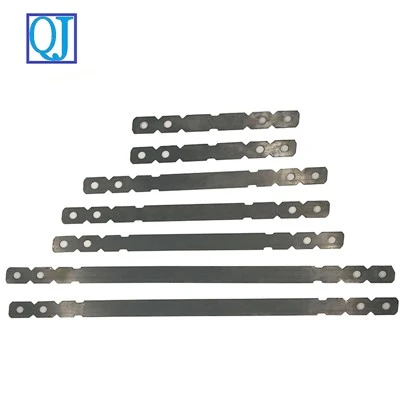
First, let’s get one thing straight: not all lubricants are created equal for garage door hinges. I see so many people grab any old can of WD-40 off the shelf and spray away, but that’s actually a mistake. WD-40 is a solvent, right? It’s great for loosening rust, but it evaporates super fast—like, in a week or two. That means your hinges will be right back to squeaking before you know it. You need a lubricant that’s actually designed to stick to metal, repel moisture (garage doors deal with rain, humidity, even snow, so that’s non-negotiable), and reduce friction over the long haul. Our shop stocks a bunch of top-rated ones—silicone-based sprays, lithium grease, even synthetic gear oils for heavy-duty doors—but we’ll get into which ones work best for different hinge types in a sec.
Before you even touch a can, let’s do the prep work. Skipping this step is like putting new tires on a dirty wheel—they won’t grip right, and they’ll wear out faster. Start by disconnecting your garage door opener. I know, it’s a hassle, but it’s worth it to avoid the door slamming down unexpectedly while you’re working. Just pull that cord hanging from the opener motor—boom, it’s manual now. Next, get a ladder that’s sturdy enough, because those hinges are up near the top of the door, usually. Grab a rag, some paper towels, a small wire brush (or even an old toothbrush, if you’re in a pinch), and a bucket of warm, soapy water. Now, take a minute to wipe down each hinge and the pin (that metal rod that goes through the center of the hinge) with the soapy water and rag. If there’s any crusty rust, dirt, or grime caked on, use that wire brush to scrub it off. This is super important because lubricant can’t do its job if it’s coating a layer of gunk. Pro tip: if the hinge pins are super rusted, you can spray a little of that non-evaporating lubricant (wait, no—just a tiny bit to loosen it) around the base of the pin before you pull it out. Most of the time, you can just tap the bottom of the pin with a screwdriver and a hammer, but be gentle—you don’t want to bend the hinge.
Now, let’s talk about the hinges themselves. Most residential garage doors have three types of hinges: the standard ones (for sections of the door), the end hinges (where the door meets the track), and the hinge at the top of the door (usually connecting to the opener arm). Each of these needs a little extra love, but the core process is the same. Once your hinge is clean (and the pin’s out, if you pulled it), let’s pick the right lubricant. For most standard residential hinges, a silicone-based spray is perfect. It’s not sticky, it repels moisture, and it doesn’t attract dust—so your door won’t end up with a layer of gunk on the hinges after a month. Spray a light coat directly on the pin, the inside of the hinge leaves, and the point where the hinge connects to the door section. If you have heavier, commercial-grade doors, lithium grease is the way to go—it’s thicker, so it lasts longer under heavy use. You just need a small amount, so don’t glob it on; a pea-sized dot on each hinge’s moving parts is enough. For that top hinge that connects to the opener arm, stick with silicone spray because it won’t gunk up the arm, which can mess with the opener’s performance over time.
Wait, but what if you don’t want to take the pins out? No problem—we get that, not everyone’s comfortable with that. You can still lubricate, but you just have to be a little more precise. Grab a straw (the little tube that comes with most lubricant sprays) and stick it into the gap between the hinge leaves. Spray a small amount of lubricant, then open and close the door a few times to work it into the gaps. For grease, you can use a small brush to get it in there—just don’t overdo it, because excess grease will just drip onto your garage floor, and no one wants that mess.
Now, let’s cover the common mistakes we see customers make all the time. First, over-lubricating. I can’t tell you how many people dump a whole can of spray on their hinges, and then it runs all over the door, the track, even their car. That excess lubricant will attract dirt, which turns into a grinding paste that’s worse than no lubricant at all. Less is more here—we’re talking a light coat, not a flood. Second, using the wrong lubricant. As I said earlier, WD-40 is for loosening rust, not for long-term lubrication. We’ve had customers come back after a month saying their door is squeaking again, and when we check, they used only WD-40. It’s like putting water on a squeaky hinge—temporary fix, but it’s gone fast. Third, forgetting other parts of the door! Hinges are important, but don’t ignore the rollers, the tracks, the springs, and the door opener’s chain. Those parts work together, so lubricating only the hinges is like oiling a car’s wheels and forgetting the engine. But today, we’re focused on hinges, so let’s stick to that, but just a quick note: do all parts every 6 months, not just once a year.
How often should you do this? That’s a question we get all the time, and it depends on a few things. If you live in a dry climate, or your garage is temperature-controlled, every 12 months is enough. But if you’re in a humid area, near the coast (salt air is brutal on metal), or you use your garage door 10+ times a day (like a family with kids who are always coming and going), you should do this every 6 months. Trust me, that extra 5 minutes twice a year will save you from a $300 garage door repair bill down the line—those squeaks usually turn into broken hinges, which lead to misaligned tracks, and before you know it, you’re replacing the whole door.
Let’s test this out. Last quarter, one of our regulars brought in a door that had been squeaking for 2 years. He’d used WD-40 three times, and it was still bad. We showed him how to clean the hinges, pull the pins, and apply silicone spray. A week later, he came back and said the door was quieter than it had been since he moved in. That’s the stuff that works. Another guy had a heavy-duty sectional door—we recommended lithium grease, and he said it’s been running smooth for 8 months now, no squeaks, no creaks.
Now, a quick DIY troubleshooting tip if you’ve already lubricated and it’s still squeaking. First, check if you missed a hinge—sometimes doors have tiny hinges in the middle sections that are easy to overlook. If you hit all of them, check the roller inside the track—if that’s dry, that can cause a squeak too. And if the hinge is actually bent? That’s a whole other issue. We sell replacement hinges, and they’re super easy to swap out—just pop the old pin, remove the old hinge, put the new one in, and you’re good to go. No need to call a pro for that.
As a garage door hardware supplier, we’ve seen every mistake in the book, and we’re here to make this stuff easy for you. You don’t need a fancy toolbox, you don’t need to be a professional—just a little time, the right lubricant, and following those prep steps will make your door run like new. If you’re not sure which lubricant is right for your door, our team can help you pick it out when you stop by, we even have free samples for first-time customers. Or, if you’ve got questions about replacement hinges, tracks, rollers, whatever—just reach out, we’re happy to walk you through it.
Wait, one last thing: safety. When you’re working on a garage door, even with the opener disconnected, the springs can be a little tricky. If you feel like the door is too heavy to hold up while you’re working, get a friend to help, or use a clamp to hold the door in place. Don’t try to muscle it yourself—you don’t want it to fall on you. That’s the last thing we want, obviously.
At the end of the day, lubricating your garage door hinges is one of those tiny home maintenance tasks that makes a huge difference. It’s cheap, it takes less than 15 minutes, and it saves you from the headache of a broken door at 7 a.m. when you’re late for work. We’ve built our business on supplying quality garage door hardware that actually works, so if you ever need anything—replacement hinges, lubricant, rollers, whatever—don’t hesitate to connect with our team for a chat. We’re here to help DIYers get their doors running smooth, no fancy tools required.
So go grab that ladder, grab your supplies, and give your hinges some love. You’ll thank yourself when that door opens and closes without a peep. And if you run into any issues along the way, hit us up—we’re just a message away.
Garage Door Hinge References
- International Door Association. (2022). Garage Door Maintenance Best Practices.
- North American Door and Access Systems Manufacturers Association. (2021). Lubrication Guidelines for Residential Garage Door Components.
- U.S. Department of Energy. (2020). Home Maintenance Tips for Energy Efficiency: Garage Doors.
Kunshan Qunju Metal Products Co., Ltd.
As one of the most professional garage door hardware manufacturers and suppliers in China, we have world-leading production equipment and strong manufacturing capabilities. Please rest assured to wholesale premium garage door hardware in stock here from our factory. We also accept customized orders.
Address: No.63, Jindong Road, Jinxi Town, Kunshan City
E-mail: Andycsyy@126.com
WebSite: https://www.topmhm.com/
