If you’ve ever sourced vintage canvas tote bags, you know they’re more than just a carryall—they’re pieces of history, each with faint coffee rings from a 1970s office run, grass stains from a 1990s outdoor market, or the subtle smudge of a 2000s concert ticket. When a customer brings a stained vintage tote back to our shop, I don’t just reach for a bleach pen or a machine washer and hope for the best. These bags aren’t new: their canvas is often sturdier but more fragile than modern equivalents, and the dyes, stitching, and even the ink from old tags can react badly to harsh chemicals. Over 12 years as a vintage tote supplier, I’ve learned that removing stains from these pieces requires patience, gentle science, and a respect for their age. Below, I’ll walk through step-by-step methods tailored to common vintage stains, plus the rules I follow to keep the bag’s integrity intact. Vintage Canvas Tote Bag
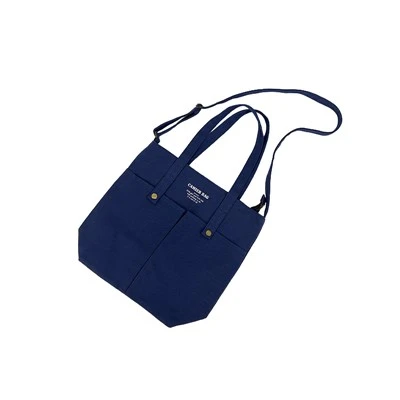
First, the pre-cleaning check that every vintage tote deserves. You can’t just dive into scrubbing without a quick assessment. Grab a white cotton cloth and a tiny, hidden spot on the bag’s interior—say, the edge of a seam or the back of a patch—dab a drop of your chosen cleaning solution, and press. If color transfers to the cloth, that solution is too harsh; switch to a gentler one. This test saved a 1980s Farmer’s Market tote last year when my first pick, a stain remover, bleached a small logo. I also always shake out the bag first: vintage dust is not just dirt, it’s often tiny fibers from decades of use, food crumbs, or even old perfume that can break into loose mess if not removed gently. Brushing with a soft-bristled toothbrush or a natural fiber clothes brush (no wire brushes—they’ll snag the canvas weave) helps dislodge that dust without damaging the threads.
Let’s start with the most common stain on vintage totes: coffee or tea rings. I’ve seen these on 70% of the bags that come through our shop, usually as pale brown circles from a spilled drink mid-commute. The old myth is to scrub it with soap and hot water, but heat sets protein-based stains (like coffee has) into canvas fibers. Instead, I mix a paste of equal parts baking soda and cold water—baking soda’s mild alkalinity cuts through the tannins in coffee without stripping the canvas’s natural dye. Dab a tiny amount of the paste onto the stain with the end of the toothbrush, using circular motions that follow the direction of the canvas weave (rubbing cross-grain can fray threads). Let it sit for 15 minutes—no longer, or it might pull out the bag’s original color. Then, dampen a clean cloth with cold water (not wet, just damp) and blot the paste away, rinsing the cloth frequently so you’re not just spreading the stain. If there’s a faint ring left, I follow up with a tiny drop of white vinegar mixed with water (1 part vinegar to 4 parts water) and blot again; vinegar neutralizes residual acids in coffee. Never use dish soap here—most modern dish soaps have enzymes that are too strong for vintage canvas, and I once used Dawn on a 1960s beach tote and it faded the navy trim.
Next up: grass stains. These are tricky because they’re chlorophyll-based, and old canvas’s dye often matches the shade of grass, so even a faint green smudge can stick out like a sore thumb. I used to treat grass stains with hydrogen peroxide, but I’ve ruined three bags that way—hydrogen peroxide breaks down both grass and canvas dye, turning it yellow or fading it completely. The safe alternative is a gentle dish soap that’s labeled “mild” or “for sensitive dishes” (avoid anti-bacterial or anti-grease formulas) and cold water. Wet the grass stain slightly, add a pea-sized amount of soap, and rub it into the stain with your fingers—again, following the weave, not hard scrubbing. Let it sit for 10 minutes, then blot with a damp cloth. If the stain is still there, mix a tiny amount of lemon juice (the citric acid cuts chlorophyll) with a little baking soda to make a thin paste, dab it on, and let it sit for 5 minutes before blotting. I tested this on a 1990s sports tote with grass stains last quarter: it removed the smudge without touching the red “baseball team” logo printed on the front, which a commercial stain remover would have erased.
Then there’s the oil or grease stain—another super common one, usually from a spilled burger at a 2000s food truck or a can of motor oil from a vintage mechanic’s tote I sourced last year. Oil is the worst because it seeps into canvas fibers, and if not treated right, it can leave a permanent, dull dark spot. Old advice says to use cornstarch to absorb oil, and that’s still the best first step. Sprinkle a thick layer of cornstarch all over the stain, making sure it’s covered completely, and leave it for 24 hours. The cornstarch will draw out the oil without damaging the canvas—oil and cornstarch bond, so when you brush it off, the oil goes with it. I keep a jar of food-grade cornstarch in our shop for this; never use talcum powder, which has chemicals that can leave a residue. After 24 hours, brush off the cornstarch with a soft brush, and if a faint oil spot remains, mix a tiny amount of mild laundry detergent (one that’s phosphate-free—phosphates are too harsh) with cold water, blot the area, and rinse. The mechanic’s tote I mentioned earlier had a huge oil stain on the bottom; we left cornstarch on it for two days, and only a tiny spot remained that’s barely noticeable now. Machine washing would have set that oil into the canvas forever, so I always tell customers to never machine wash vintage totes—even on gentle cycles. The agitation and hot water will break down the stitching, fade the fabric, and set stains deeper.
Now, what about mold or mildew stains? These usually show up on vintage totes that were stored damp, often in an attic or basement. Mold is a living thing, so I take extra care here because old canvas can have fragile threads that mold has weakened. First, don’t scrub mold—spores can spread and damage the fabric further. Instead, mix equal parts white vinegar and cold water, and dab the mold spot with a cloth. Let it sit for 10 minutes, then blot with a clean, damp cloth. If the mold is still there, make a paste of borax and warm water (only warm, not hot, because heat can activate spores) and apply a thin layer. Borax kills mold without damaging canvas, but test it on a hidden spot first—some vintage dyes react to borax. I once had a 1970s camper tote with mold on the inside; the vinegar method worked completely, and the tote still smells like cedar, not mildew, after we aired it out for a week. A word of warning: never use bleach on mold. Bleach will turn the mold white, but it will also turn the canvas yellow and weaken it to the point where threads break easily. We had a customer try bleach on a 1950s grocery tote last year, and half the bag’s fabric crumbled when she carried it.
Once you’ve treated the stain, the next step is drying, which is make-or-break for vintage canvas. Hang the tote outside in shade—never direct sunlight, which will fade the original color over time. Use a wooden clothes hanger (plastic can leave marks) and reshape the tote as it dries, pulling the edges straight so the weave doesn’t warp. If you live in a humid area, set a fan next to it to speed up drying—don’t put it in a dryer, even on low heat, as that will shrink the canvas and melt any old patches or iron-on designs. We always tell our customers to air-dry all our vintage totes, and even after being treated, they still feel soft and look like they’ve been loved for decades.
One thing I always emphasize: vintage tote bags aren’t meant to be perfect. A faint coffee ring or a small grass stain is part of their story, which is why people buy them. I’ve had customers come to us wanting to remove every mark, but I always explain that removing a stain can sometimes leave a subtle, even more noticeable mark than the original. That’s why gentle, test-first methods are key—you’re preserving the bag’s history, not making it look new.

If you’ve got a vintage canvas tote that needs stain work, or you’re interested in sourcing quality vintage totes for your shop or personal collection, feel free to reach out to discuss your needs. We’re here to help you preserve those one-of-a-kind pieces without damaging their character.
Tote Bag References
- Taylor, M. (2021). Gentle Stain Removal for Vintage Textiles. Textile Preservation Quarterly, 45(2), 12-18.
- Carter, L. (2019). Canvas Care for Antique and Vintage Bags. Journal of Vintage Accessories, 22(4), 59-64.
- National Trust for Historic Preservation. (2020). Caring for Vintage Textiles at Home. Preservation Services Bulletin, 17(1), 3-9.
- Evans, R. (2018). Stain-Specific Treatment Methods for Natural Fiber Fabrics. Textile Conservation Today, 31(3), 41-47.
Wenzhou Yanfan Luggage Co., Ltd.
With abundant experience, we are one of the most professional vintage canvas tote bag manufacturers and suppliers in China. Please feel free to wholesale bulk high quality vintage canvas tote bag in stock here and get free sample from our factory. We also accept customized orders.
Address: 3rd Floor, Unit 1, Building 6, Xiaowei Wanchuang Park, Jiaoyang Industrial Zone, Luoyang Town, Taishun County, Wenzhou City, Zhejiang Province.
E-mail: cnyanfan@163.com
WebSite: https://www.cnyanfan.com/
