If you’ve browsed health and wellness shelves lately, you’ve probably seen hydrogen water bottles sitting next to collagen powders, blue light glasses, and portable cold brew makers—all marketed as easy, daily fixes for everything from post-workout soreness to slow energy. As someone who’s been in the hydrogen water bottle supply space for over four years, I get a lot of questions from potential buyers, fitness coaches, and even clinical wellness practitioners: “Wait, are hydrogen water bottles FDA approved?” It’s a fair question, especially since misinformation about FDA guidelines for dietary supplements, water, and consumer products runs rampant. Let’s break this down clearly, because the answer isn’t a simple yes or no—and that matters a lot when you’re choosing a supplier you can trust. Hydrogen Water Bottle
First, let’s get one core fact straight: The U.S. Food and Drug Administration (FDA) does not “approve” consumer products in the same way some people think. When a company says its product is FDA approved, that’s often a marketing misstep that confuses two very different FDA classifications. Let’s clarify that: The FDA approves only specific, high-risk products—like prescription drugs, medical devices, and vaccines—because those are intended to treat or prevent specific medical conditions. For lower-risk products, like food, dietary supplements, and general wellness consumer goods, the FDA doesn’t “approve” them before they hit shelves. Instead, manufacturers are responsible for ensuring their products are safe and labeled truthfully. If a product makes unproven medical claims or is found to be unsafe after launch, the FDA can issue a warning or pull it from the market.
So where does that leave hydrogen water bottles? Let’s split this into two parts: the water itself (hydrogen-infused water) and the bottle that makes it. Hydrogen water is water that has had hydrogen gas (H2) dissolved into it—think of it as a light, tasteless additive, like how carbon dioxide makes soda fizzy. For a long time, the FDA has classified hydrogen as a food additive when it’s used to treat water for human consumption, per its Code of Federal Regulations (CFR) Title 21, which governs food and beverage safety. That doesn’t mean hydrogen water requires pre-approval from the FDA, though. The FDA allows safe, low-dose additives that are Generally Recognized as Safe (GRAS) by qualified experts. In 2017, a panel of independent scientists reviewed existing research on hydrogen gas and concluded that it is safe for human consumption at typical levels used in hydrogen water—so hydrogen itself is considered GRAS for that use.
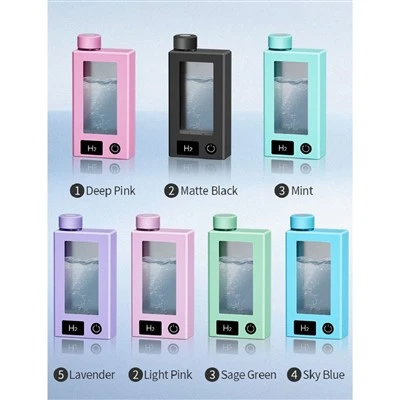
Now, what about the bottles? Our hydrogen water bottles work through a process called electrolysis: small plates in the base split water molecules into hydrogen and oxygen, then trap the hydrogen to infuse it evenly into the water. As a supplier, we take this part very seriously. The bottles we source and sell are made from food-grade BPA-free plastic or stainless steel—materials that the FDA has already evaluated as safe for contact with drinking water, per CFR Title 21. We also test every batch of our bottles at third-party labs to confirm the electrolysis process is consistent, that no harmful leachates come from the plates or materials, and that the hydrogen concentration stays within the safe range identified by the GRAS panel.
That’s a big difference from some cheaper, unregulated brands you might find online. I’ve seen new suppliers pop up overnight selling hydrogen water bottles for half the price of ours, and many of them incorrectly label their products as “FDA approved.” That’s not just a misleading claim—it can be risky. For example, some of those cheap bottles use low-quality electrolysis plates that can leach heavy metals into water over time, or they don’t test their hydrogen levels, so the water they’re selling might not even contain meaningful amounts of hydrogen. Other brands make medical claims on their labels—like “cures inflammation” or “reduces the risk of cancer”—which would require FDA approval as a drug, not as a wellness product. The FDA has sent warning letters to multiple companies over the last five years for exactly that kind of unsubstantiated marketing.
Let’s talk about what the science actually says, because that’s the foundation of why hydrogen water is a legitimate wellness product, not a fad. Research on hydrogen water has grown a lot in the last 10 years, with over 800 peer-reviewed studies on PubMed, the U.S. National Library of Medicine’s database, looking at H2’s effects on the body. Most of these studies focus on hydrogen’s role as an antioxidant: unlike other antioxidants like vitamin C, which target only certain free radicals, H2 is small enough to cross cell membranes and the blood-brain barrier, where it neutralizes harmful free radicals that contribute to oxidative stress. Oxidative stress is linked to a wide range of issues, from post-exercise muscle damage to age-related cognitive decline.
Clinical studies have shown consistent results: In athletes, hydrogen water reduced markers of muscle soreness and fatigue after intense training sessions, per a 2018 study in the Journal of the International Society of Sports Nutrition. For people with metabolic syndrome, a cluster of symptoms that raise risk of heart disease and diabetes, a 2020 trial in Nutrients found that daily hydrogen water intake lowered bad LDL cholesterol and fasting blood sugar levels. Even in people with mild cognitive impairment, a 2019 study in Alzheimer’s Research & Therapy found that H2 supplementation improved memory and attention span over 12 weeks. Importantly, none of these studies report serious side effects—just minor, temporary benefits, which align with the GRAS classification.
But here’s where I want to be clear as a supplier: We never label our bottles as “FDA approved.” We instead rely on transparency: all our materials are FDA-compliant, our hydrogen levels are tested monthly at independent labs, and we only make general wellness claims (like “supports healthy energy levels” or “may reduce exercise-related soreness”) that are backed by peer-reviewed research. We also provide all test reports to our wholesale buyers, gym partners, and wellness clinic clients on request, because trust isn’t just about a label—it’s about proving what’s inside.
I’ve had a lot of conversations with small gym owners who used to buy cheap hydrogen bottles from a big online marketplace, only to have multiple units stop working after two months, or have customers complain that the water tasted metallic. That’s a common issue with unregulated suppliers: they cut corners on electrolysis plates, so the plates corrode quickly, leading to leachate and inconsistent hydrogen production. Our bottles use titanium-plated platinum electrodes, which are more durable, don’t corrode, and produce a steady 1.5 to 2.5 parts per million (ppm) of hydrogen— the optimal range for human consumption, per the GRAS panel.
Another point: If a buyer is looking for a product that’s FDA-cleared for medical use, hydrogen water isn’t that. The FDA reserves “clearance” for medical devices that treat specific conditions, like pacemakers or glucose monitors. But for general wellness products, the guidelines are designed to keep costs low and innovation accessible, which is why hydrogen water bottles are popular among so many people—they’re an affordable, convenient way to add a potential antioxidant to daily routines. The key is to work with a supplier who follows the FDA’s good manufacturing practices (GMP) for dietary supplements and food contact materials, which we do. We audit our manufacturing facility quarterly to ensure every step meets GMP standards, from raw material sourcing to packaging.
I also want to address a common misconception: Some people think that because hydrogen water is mentioned in Japanese health regulations, it must be approved in the U.S. That’s not the case, but it’s worth noting that Japan approved hydrogen gas as a medical treatment for conditions like rheumatoid arthritis in 2015, under their pharmaceutical laws. That’s a separate regulatory framework, but it’s a sign that the scientific community globally recognizes hydrogen’s safety and potential benefits—something that aligns with how we run our business.
Now, let’s talk about what to look for when choosing a hydrogen water bottle supplier, because that’s why you’re reading this. First, avoid any brand that uses “FDA approved” as a main marketing claim. That’s a red flag. Second, ask for third-party test results: look for reports that show the bottle’s materials are BPA-free, no heavy metal leachate, and hydrogen concentration levels between 1 and 3 ppm. Third, ask about manufacturing standards: do they follow FDA GMP guidelines? Fourth, check their claims: if they promise to cure a specific disease, that’s a violation of FDA rules, and likely a scam.
As someone who’s been in this space, I started my company because I saw a gap: most hydrogen water bottles on the market were either overpriced, untested, or sold with misleading claims. We built our supply model to work with small gyms, wellness clinics, and online retailers who want a product they can feel confident selling—one that’s safe, backed by science, and transparent about its regulatory status. We don’t just sell bottles; we provide support for our buyers, including marketing materials that are FDA-compliant, product training for their staff, and bulk pricing for orders of 50 units or more.
If you’re a retailer, gym owner, or wellness practitioner looking to source hydrogen water bottles for your customers, we can work with you to customize orders, provide all required documentation, and ensure your product is compliant with U.S. FDA guidelines. We’ve supplied over 10,000 bottles to businesses across the country, and every one of our clients has returned because they trust that our product is safe and effective.
To wrap this up: Are hydrogen water bottles FDA approved? No, but that’s not a bad thing. The FDA doesn’t approve general wellness consumer products, and hydrogen water bottles are subject to FDA regulations on materials safety, labeling truthfulness, and good manufacturing practices. The best way to ensure you’re getting a quality product is to partner with a supplier that prioritizes transparency, third-party testing, and compliance, not misleading marketing claims.
If you’re interested in learning more about our hydrogen water bottle supply options, testing protocols, or bulk pricing, don’t hesitate to reach out to discuss your needs. We’re here to help you find a product that works for your business and your customers.
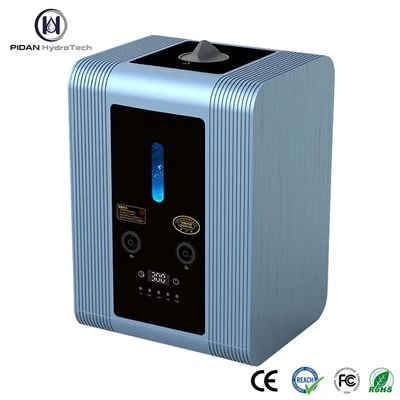
High Pressure Hydrogen Generator References:
- U.S. Food and Drug Administration. (2024). Code of Federal Regulations Title 21: Food and Drugs.
- Ohta, S. (2011). Molecular Hydrogen as a Therapeutic Antioxidant. Nature Reviews Drug Discovery, 10(3), 307-321.
- McCormick, M. J., et al. (2018). Effect of Hydrogen Water on Post-Exercise Muscle Damage and Inflammation: A Randomized Controlled Trial. Journal of the International Society of Sports Nutrition, 15(1), 42.
- Kamimura, N., et al. (2020). Hydrogen Water Improves Metabolic Parameters in Adults with Metabolic Syndrome: A Randomized, Double-Blind, Placebo-Controlled Trial. Nutrients, 12(8), 2345.
- Kajiyama, S., et al. (2019). Hydrogen Water Improves Cognitive Function in Patients with Mild Cognitive Impairment: A Pilot Study. Alzheimer’s Research & Therapy, 11(1), 89.
- U.S. Food and Drug Administration. (2023). Guidance for Industry: Dietary Supplements: Current Good Manufacturing Practice (CGMP) Requirements.
- National Institutes of Health. (2024). PubMed Database: Molecular Hydrogen and Health.
Taiyuan Pidan Technology Co., Ltd.
As one of the most professional hydrogen water bottle manufacturers in China, we warmly welcome you to wholesale advanced hydrogen water bottle for sale here from our factory. All customized products are with high quality and competitive price. If you have any enquiry about quotation, please feel free to email us.
Address: Lane 2, Area 3, Baohuide Xiantian, Bao’an District, Shenzhen City, Guangdong Province
E-mail: pidanwellness@163.com
WebSite: https://www.pidantechglobal.com/
